Leitfähige Bodenbeschichtungen schützen Mensch und Elektronik
ESD-Schutz in Produktionsbetrieben
ESD-Böden senken Risiko von elektrostatischen Entladungen und Staubexplosionen
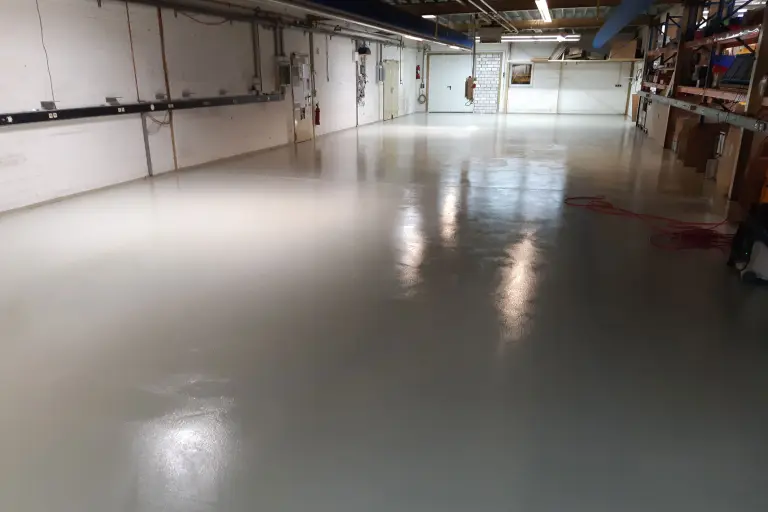
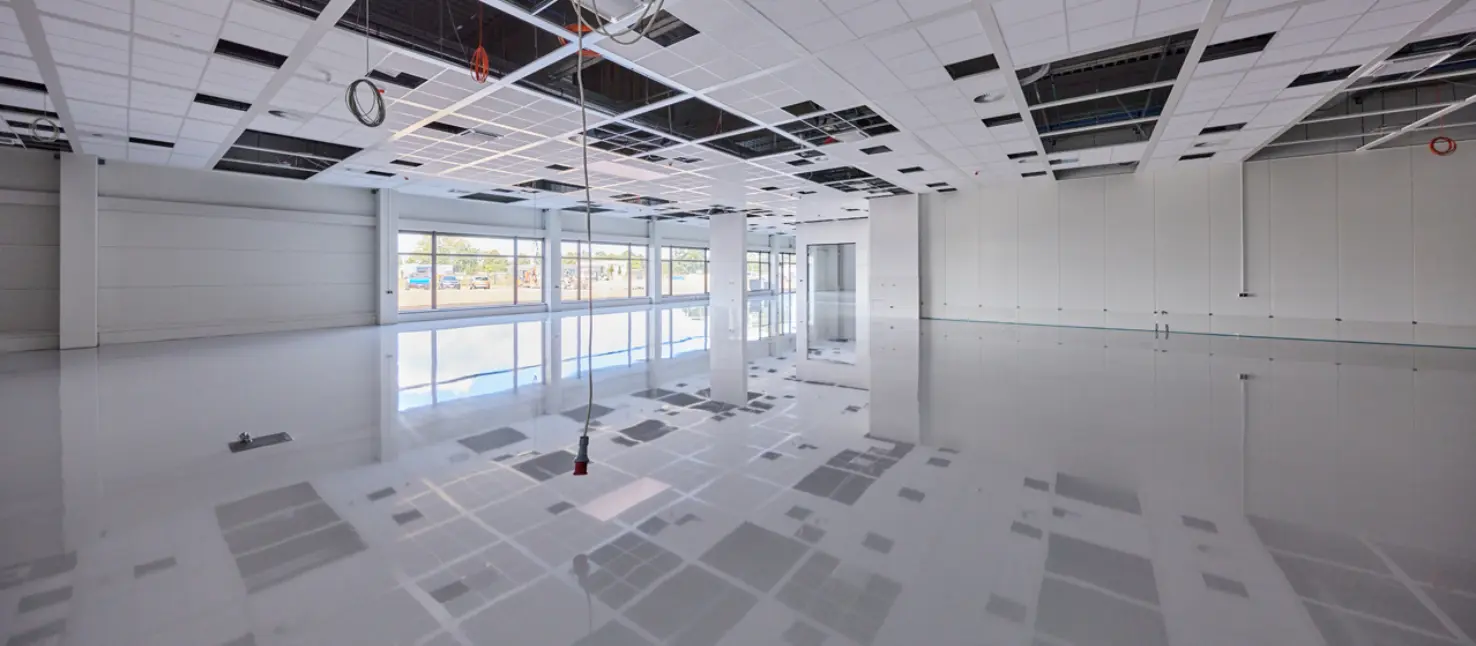
Leitfähige Bodenbeschichtungen sorgen in Produktionsbetrieben unter anderem für ESD-Schutz (electrostatical discharge) und verringern somit das Risiko von Schäden an elektronischen Bauteilen durch elektrostatische Entladungen. Durch die Leitfähigkeit wird der Großteil der elektrostatischen Potenziale über die Erdung abgeleitet. Die ausgereiften StoFloor ESD-Systeme lassen sich an alle gebäudespezifischen Anforderungen anpassen.

Auf uns vertrauen bereits:
▪ Fraport AG
▪ Fraunhofer ISE
▪ Pilatus Flugzeugwerke AG – pilatus-aircraft.com
▪ Robert Bosch GmbH
▪ Škoda Auto a.s.
▪ Strüby Unternehmungen
▪ Thermoplan AG
▪ Volkswagen AG
▪ Zollner Elektronik AG

Schutz von Elektronik und Personen
Leitfähige Bodenbeschichtungen haben einen wichtigen Anteil an fehlerfreien Endprodukten und bewahren Personen vor einem elektrischen Schlag, indem sie elektrostatische Entladungen verhindern. Unterschieden wird dabei zwischen dem Schutz von Elektronik, dem Personen- und dem Explosionsschutz.
ESD-Schutz in der Elektronikfertigung
Der ESD-Schutz ist in der Elektronikfertigung, aber auch in Reinräumen oder OP-Sälen wichtig. Elektrostatische Potenziale können Partikel (Stäube) anziehen und so im Reinraum Verunreinigungen verursachen. Dadurch drohen irreparable Schäden an elektronisch sensiblen Bauteilen.
Vermeidung von Funken als Zündquelle
Anlagen mit explosionsfähigen Atmosphären, wie Getreidemühlen, Chemikalien- und Düngemittellager oder Munitionsfabriken haben normative Vorgaben an bauliche Maßnahmen, da aufgrund elektrostatischer Entladung entstehende Funken als Zündquelle dienen und Explosionen auslösen können.
In sensiblen Fertigungsbereichen gehören elektrostatisch geschützte Arbeitsplätze zur Grundausstattung mit ableitfähigen Stühlen, Tischen, Schuhen, Handgelenk-Erdungsbändern, Ionisatoren sowie einer leitfähigen Bodenbeschichtung. Diese Beschichtung leitet den Großteil der durch Personen oder Transportgegenstände generierten elektrostatischen Potenziale an die Erdung ab. Um die Funktion des Beschichtungssystems zu garantieren, müssen seine Komponenten perfekt aufeinander abgestimmt sein.
Die Systemkomponenten und ihre Funktion
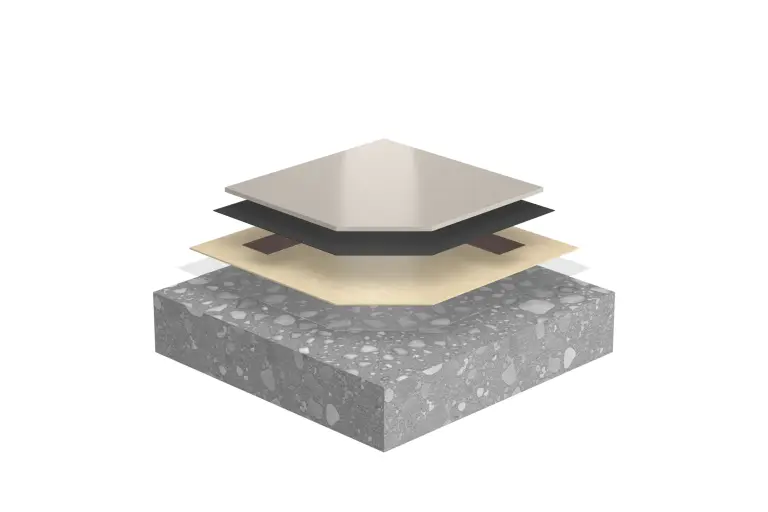
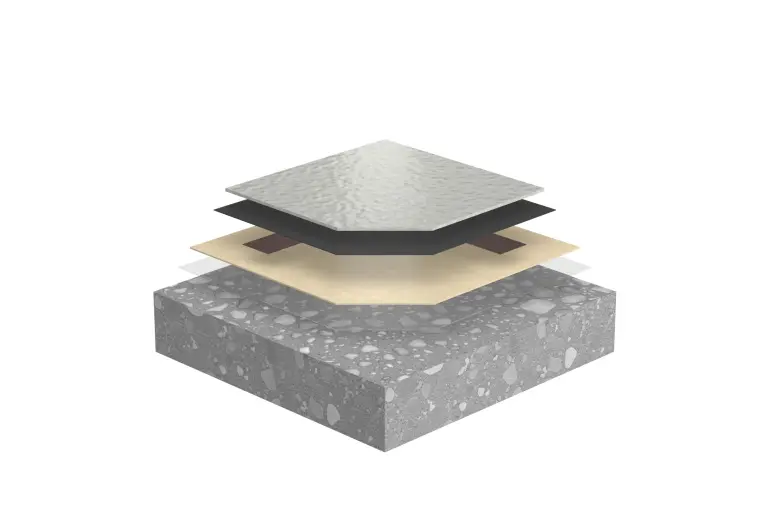
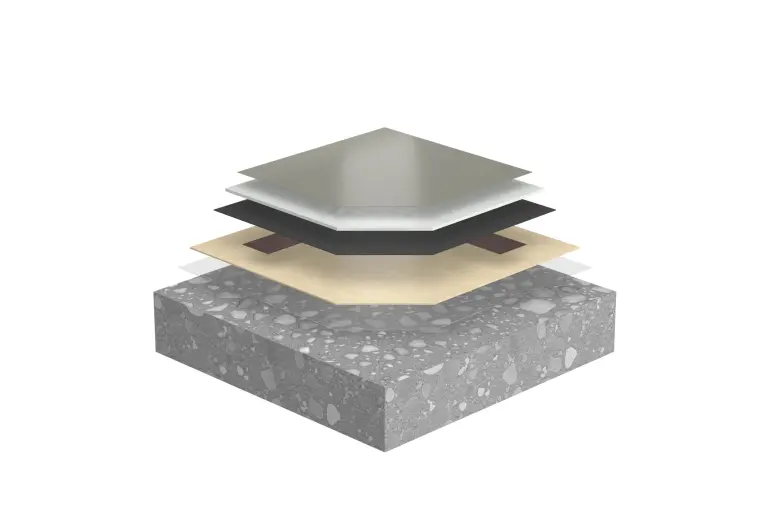
In der Regel werden zementgebundene Untergründe wie Zementestriche oder Beton, seltener auch Magnesia- bzw. Anhydritestriche, beschichtet. Rückwärtig durchfeuchtete Untergründe verlangen ein diffusionsoffenes und thermoplastische Untergründe, wie zum Beispiel Gussasphalt, ein zähelastisches System.
Der Ableitwiderstand eines leitfähigen Beschichtungssystems resultiert primär aus der Schichtdicke der Deckschicht. Um über die gesamte Fläche einen einheitlichen Widerstand zu erreichen, muss diese gleichmäßig sein. Deshalb ist es bei rauen und unebenen Untergründen ratsam, nach der Grundierung eine Egalisierungsspachtelung aufzubringen. Diese erhält man durch die Füllung der Grundierung mit feuergetrockneten Quarzsanden.
Die ableitfähigen Eigenschaften von Beton lassen im Laufe der Zeit aufgrund von Austrocknungsvorgängen nach. Zudem wirkt die Grundierung als Isolationsschicht. Daher ist eine leitfähige Zwischenschicht notwendig. Diese Leitebene lässt die elektrostatischen Ladungen mit konstant bleibendem Widerstand »kanalisiert« zur Erde abfließen. Sie besteht in der Regel aus einer rußgefüllten, wässrigen Epoxidharzdispersion.
Die Deckschicht konventioneller Systeme erhält ihre leitfähigen Eigenschaften durch Kohlenstofffasern. Sogenannte volumenleitfähige Beschichtungen verfügen hingegen über spezielle Leitfüllstoffe, die den Systemen eine deutlich homogenere Leitfähigkeit verleihen.
Konventionelle Systeme mit Kohlenstofffasern erfüllen zwar die Anforderungen an den Explosionsschutz, jedoch nicht die aktuellen Anforderungen an den ESD-Schutz. Daher erhalten sie zusätzliche pigmentierte, leitfähige Versiegelungen, die hoch abriebfest sind und eine gewisse horizontale Leitfähigkeit besitzen. Damit homogenisieren sie die Leitfähigkeit des Gesamtsystems und leiten entstehende Ladungen nicht nur vertikal, sondern auch horizontal ab.
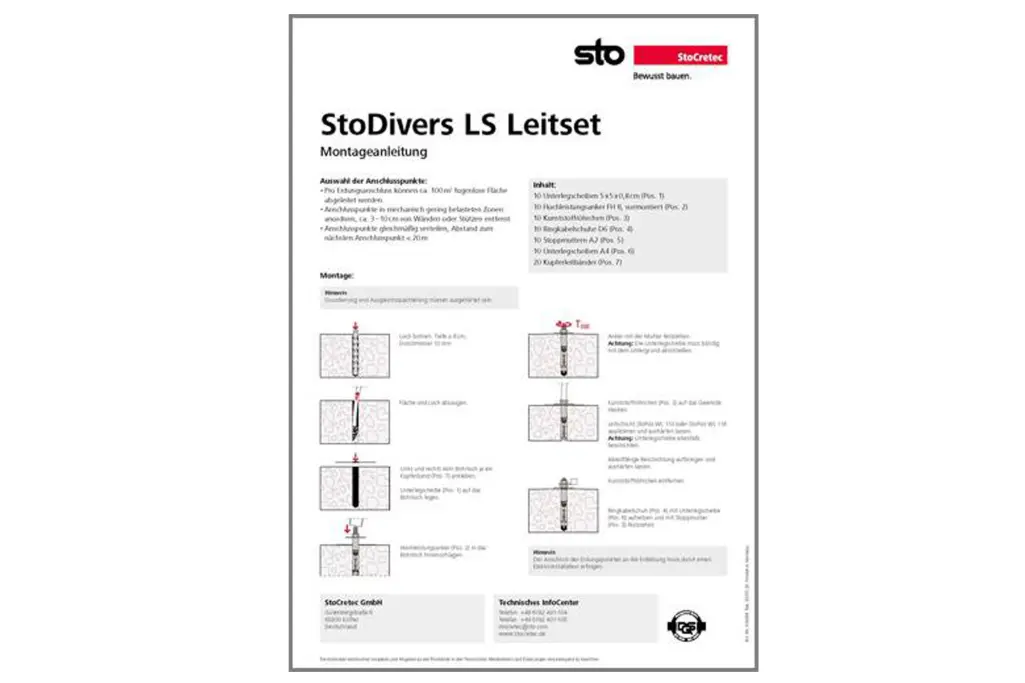
StoDivers LS Leitset - Montageanleitung
Auswahl der Anschlusspunkte:
∙ Pro Erdungsanschluss können ca. 100 m2 fugenlose Fläche abgeleitet werden.
∙ Anschlusspunkte in mechanisch gering belasteten Zonen anordnen, ca. 3 – 10 cm von Wänden oder Stützen entfernt.
∙ Anschlusspunkte gleichmäßig verteilen, Abstand zum nächsten Anschlusspunkt < 20 m
Die detaillierte Anleitung hier zum Download | PDF 0,3 MB
_2400_W768xH0.webp)
_2400_W768xH0.webp)