
Kurz erklärt: Die häufigsten Fragen(FAQ)
The substrate must be dry, have sufficient load bearing capacity and be free from any substances – whether inherent to the material or foreign – that could interfere with adhesion. Weak layers and the accumulation of fine concrete particles on the surface must be removed. ‘Dry’ as defined in EN 1504-10, though this depends on the compressive strength class. The moisture content must not exceed 4 CM per cent for concrete grades up to C30/37 and 3 CM per cent for concrete grade C35/45, measured using a CM meter. Substrate temperature must be greater than +10 °C and 3 K above the dew point. Average bond strength 1.5 N/mm², minimum individual bond strength 1.0 N/mm².
The concrete substrate must be prepared prior to carrying out coating work using suitable mechanical methods, such as shot blasting, milling followed by shot blasting, or blasting with solid abrasives.
The bond strength test (bond strength test) is an essential part of maintenance and repair work on concrete structures and is required during both the design and construction phases.
During the planning phase, it serves to assess the condition of the existing concrete and to select suitable repair systems and materials in a way that is both economically and technically sound.
During the construction phase, it ensures that the concrete substrate is suitable for the planned measures and that the requirements of the applicable regulations are met.
Furthermore, the test is also required prior to the application of surface protection systems, although the required surface tensile strength may vary depending on the specific application.
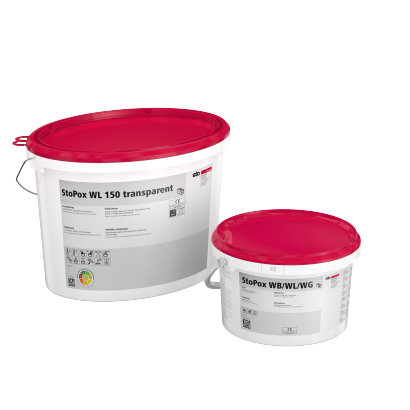
Complete curing is essential for epoxy resin or polyurethane coatings: the resin and hardener undergo a precise chemical reaction. If the ratio is incorrect, molecules remain uncross-linked. If there is too little or too much hardener in the mixture, the coating remains sticky, soft or patchy. The coated surface then often has to be milled down and recoated.
Only a 100 per cent homogeneous and precise mixture of resin and hardener achieves the specified properties, such as abrasion resistance, resistance to chemicals and durability.
Pot life refers to the period during which epoxy or polyurethane resins remain usable after the resin (Part A) has been mixed with the hardener (Part B).
The time for application of epoxy or polyurethane resins refers to the period during which the mixed resin can be applied or processed before the curing process begins.
If a damp substrate is coated with a standard, vapour-impermeable coating, rising damp can lead to osmotic blisters or loss of adhesion.
Residual moisture is a problem with new substrates or those affected by rising damp. The StoFloor Industry EH 200 coating system, used as an intermediate coat beneath vapour-impermeable floor coatings, reduces this risk to a minimum, as the coating is waterproof but allows vapour to diffuse through it. This prevents the moisture from causing blisters.
In workrooms and work areas where there is a risk of slipping, slip-resistant floor coatings or floor coverings must be used. The slip resistance classes are regulated in ASR A1.5 (Technical Rules for Workplaces).
Slip resistance and the displacement volume are classified as follows:
Angle of inclination from 6° to 10°: Rating group R 9
Angle of inclination greater than 10° to 19°: Rating group R 10
Angle of inclination greater than 19° to 27°: Rating group R 11
Angle of inclination greater than 27° to 35°: Rating group R 12
Angle of inclination greater than 35°: Rating group R 13
The displacement volume can be particularly significant in high-wear work areas that regularly come into contact with substances that promote slippage. This indicates the profile’s capacity in cm³/dm², which remains between the sole of the shoe and the floor coating.
V4 -> Minimum volume 4 cm³/ dm²
V6 -> Minimum volume 6 cm³/ dm²
V8 -> Minimum volume 8 cm³/ dm²
V10 -> Minimum volume 10 cm³/ dm²
Our product range
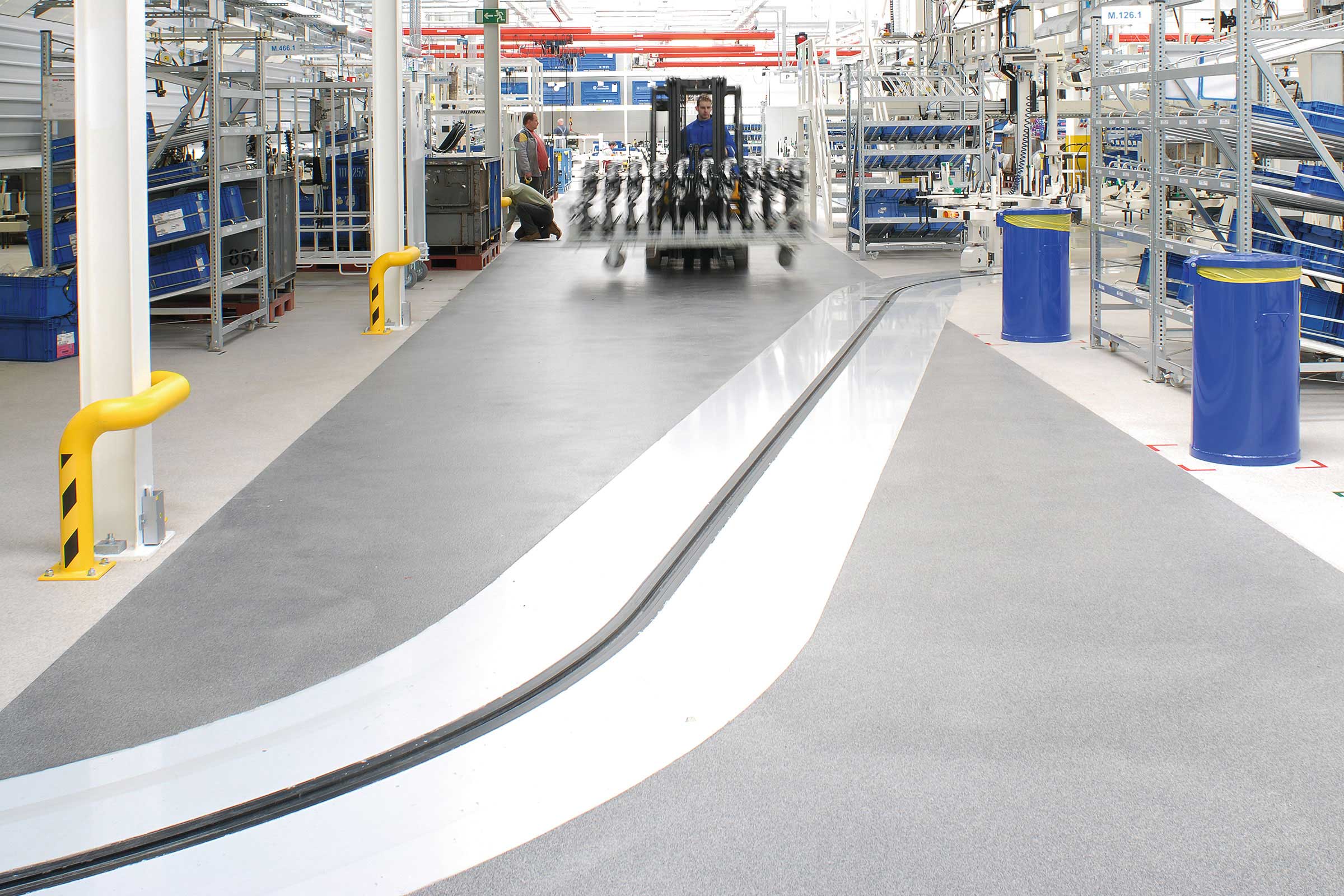
In the floor coatings area, you can expect top-quality solutions for industry, administration, trade, and the housing industry as well as multi-storey car parks and wastewater treatment plants.
Perfectly tailored to the most varied requirements and areas of application, our floor coating systems are able to withstand both light and heavy mechanical stresses. Mostly resistant to chemicals, our systems also fulfil obligations relating to water protection or slip resistance as well as requirements for electrostatic dissipating capability. Enjoy a broad range of aesthetically appealing coatings which can be perfectly combined with each other.
Depending on where the coatings are used, floors in industrial buildings are subject to mechanical, thermal, or chemical stresses. Sto has the perfect solution to suit a range of obligations and requirement profiles – from the automotive industry right through to the German Federal Water Act:
- Water protection (WHG)
- Slip resistance
- Electrostatic dissipating (ESD) capability
- Purity (cleanrooms and clean manufacturing areas)
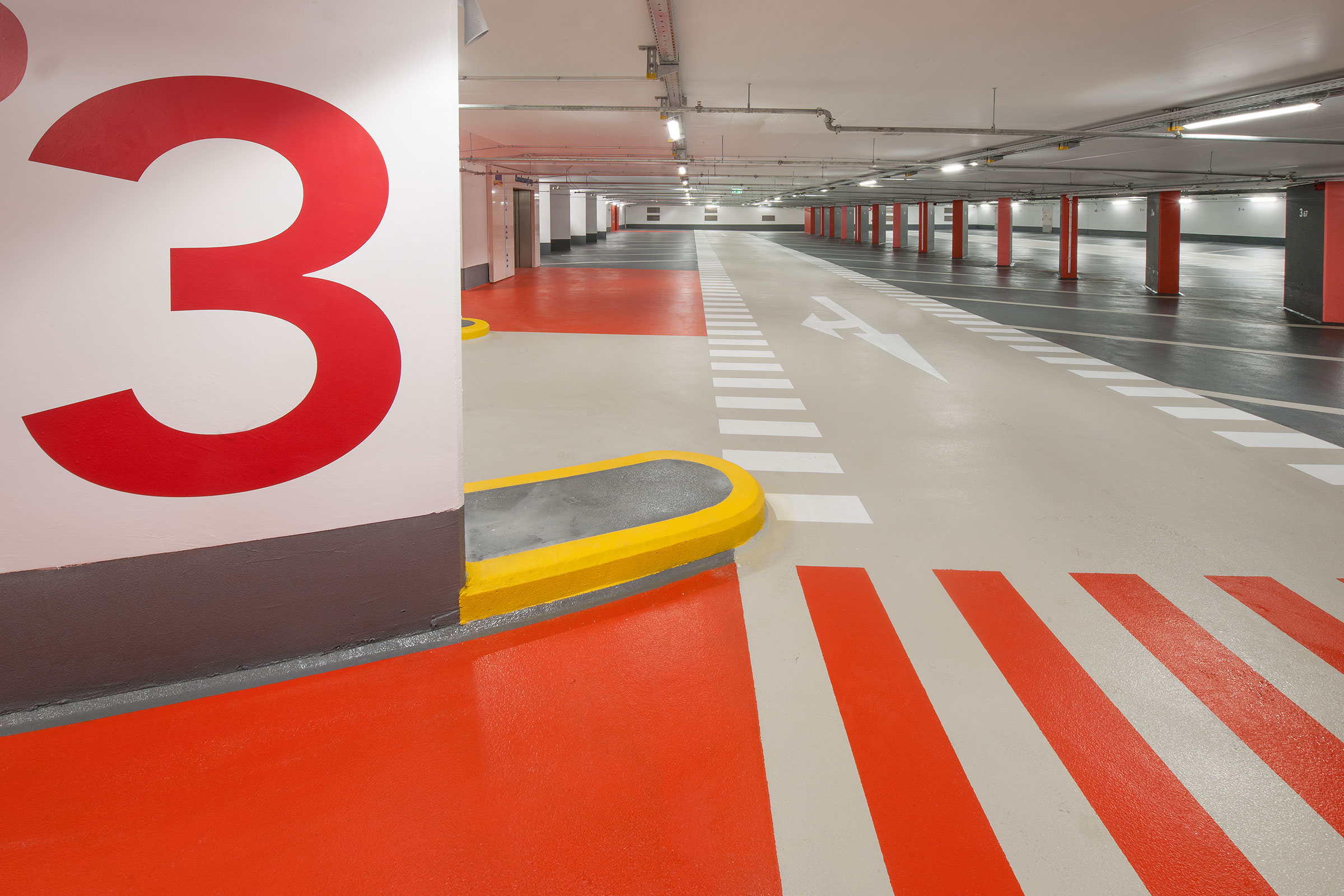
Over the years, changes in temperature as well as dynamic stresses caused by traffic take a toll on reinforced concrete constructions such as multi-storey car parks and underground car parks. We are committed to ensuring that that these spaces maintain their value. We offer a broad range of solutions:
Floor coatings for:
- Floor slabs made of watertight concrete
- Intermediate decks (effective crack repair)
- Entrance areas and ramps
- Exposed decks
- Pedestrian areas with a high level of pedestrian traffic
Products and systems for:
- Concrete repair in vertical and horizontal areas
- Surface protection for walls, supports, and ceilings
- Strengthening structures
- Cathodic protection Crack repair
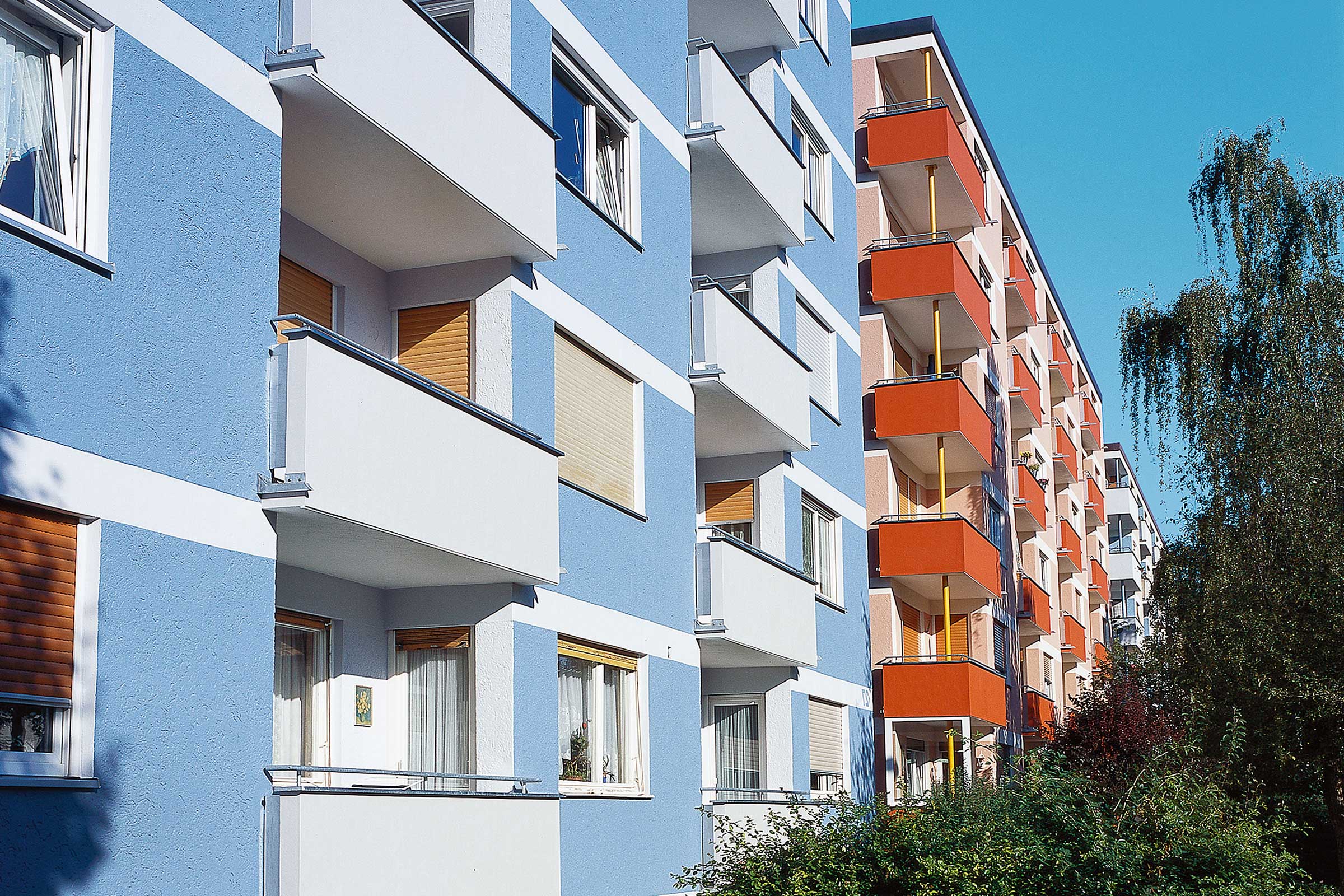
As a reliable partner for the housing industry, our range of products and services covers all project dimensions for new buildings, repairs, or modernisations:
- Facades incl. surface protection and balcony restoration
- Interiors
- Staircases
- Usable areas in cellars and underground car parks
A range of protection, repair, and coatings projects fall within the area of wastewater treatment plants. Concrete structures in wastewater treatment plants are often exposed to extraordinary effects.
Benefit from our specialist know-how, many years’ experience, and sophisticated solutions in this area.
This includes coating and refurbishment solutions for all buildings surrounding wastewater treatment plants, such as floor coatings for storage areas, usable areas, or common rooms.