
Inspection and maintenance prevent the need for repairs
Underground car parks: maintenance counts
Moisture and de-icing salt take their toll on underground car parks, as do the vehicles themselves. To rule out damage or at least detect it at a very early stage – and thus avoid costly repairs – operators should regularly inspect and maintain the car parks. Durable coatings help keep underground car parks in good condition for a long time. In well-maintained facilities, problems with owners’ associations – which can arise from the discrepancy between individually owned property (parking spaces) and common property (load-bearing building elements) – can also be minimised.
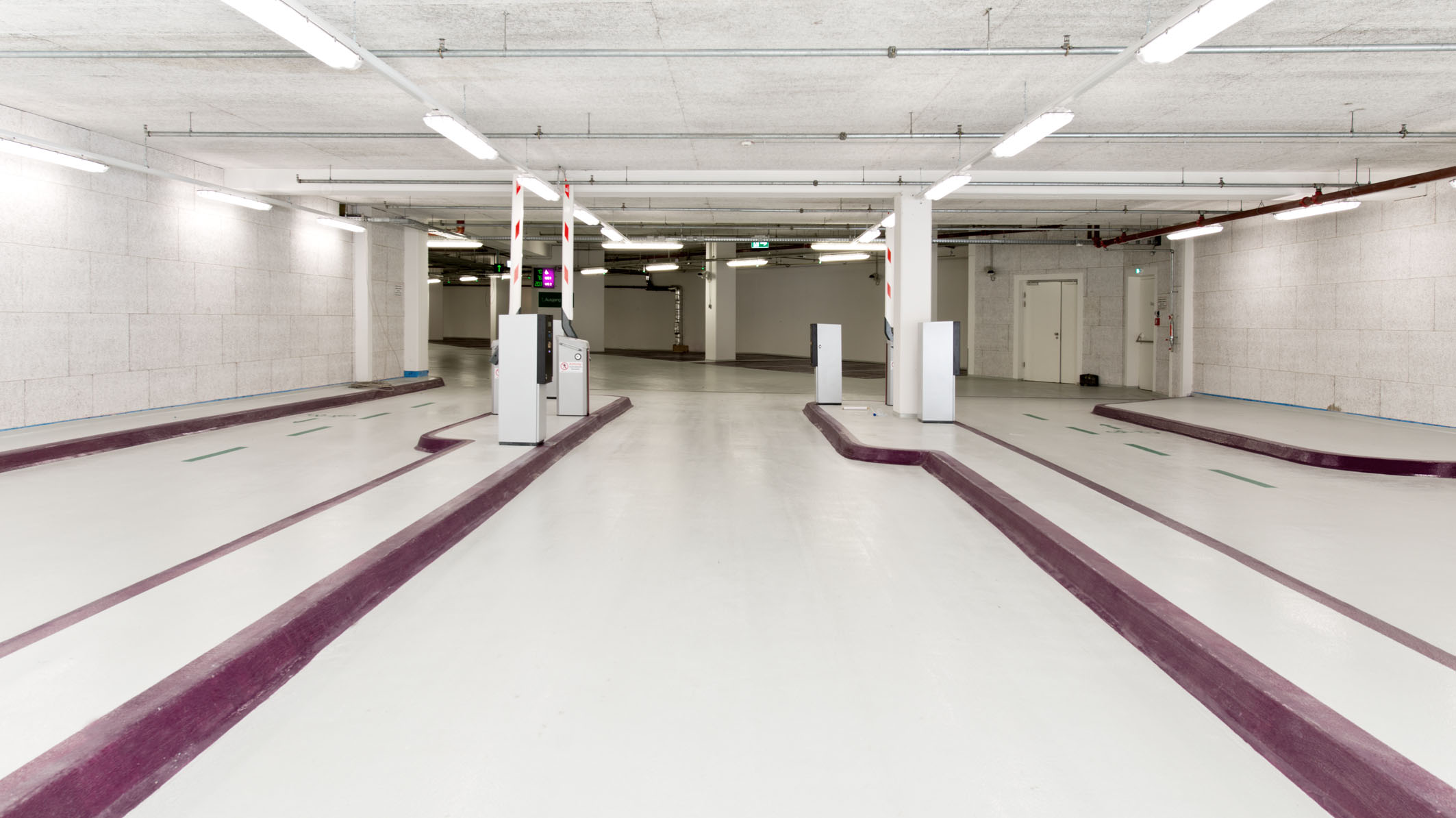
Underground car parks constructed from reinforced concrete are common in multi-storey residential buildings. Damage in such structures often has a specific set of causes:
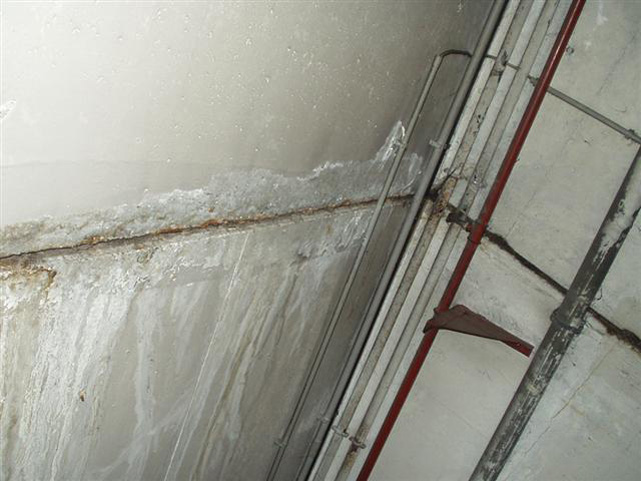
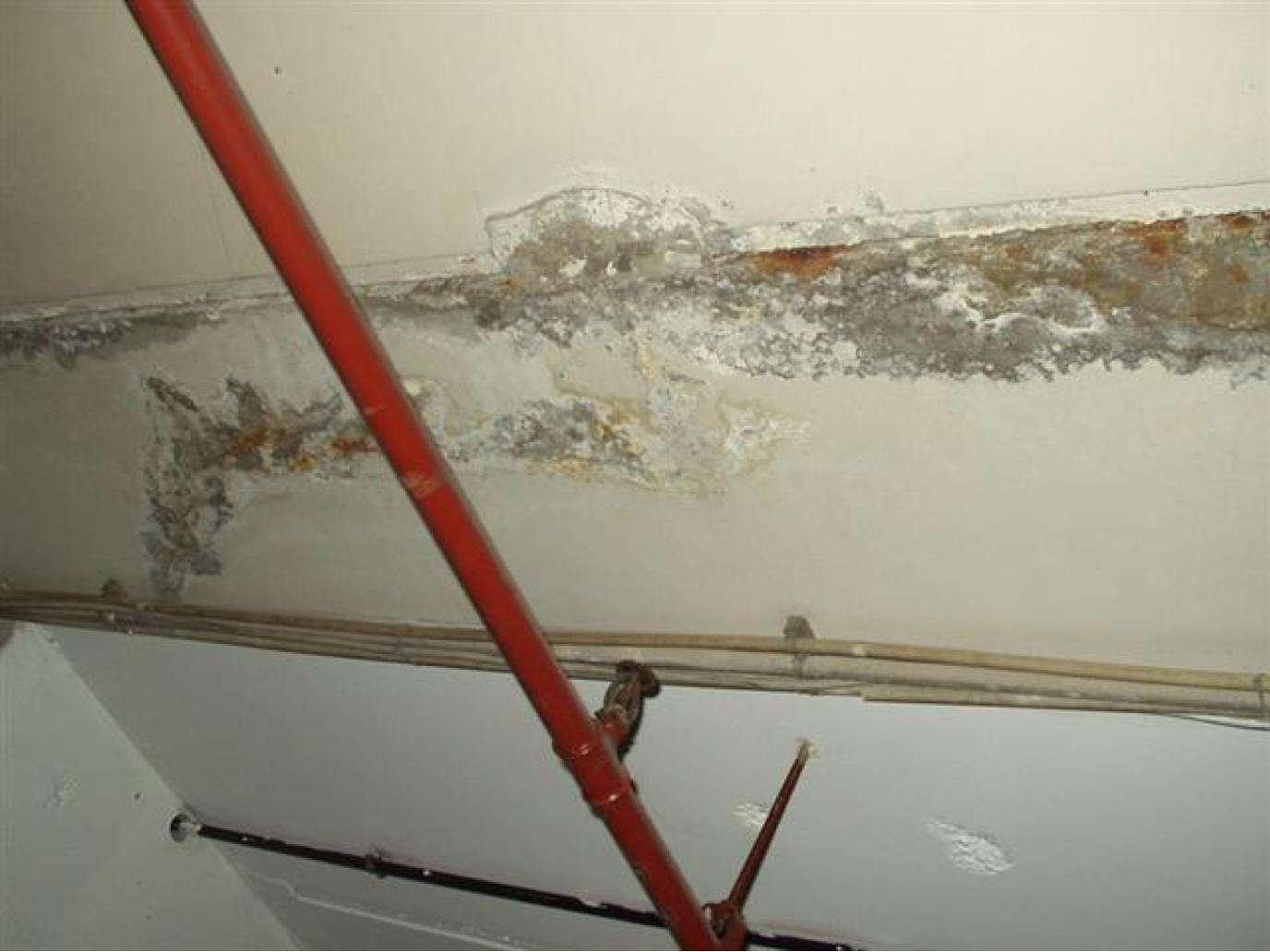
• Cracks are almost impossible to avoid in reinforced concrete structures. These allow moisture and harmful substances to penetrate the building structure more easily, increasing the danger of damage.
• Damage is caused by water contaminated with road salt that penetrates the structure: the chlorides lead to corrosion of the reinforcing steel.
To ensure that minor damage does not turn into major renovation projects, experts should regularly inspect underground car parks.
Economic factors
When considering cost-effectiveness, it is important to look not only at the costs of repair but also at lost revenue – particularly in the case of commercial premises. During refurbishment, the premises cannot be used, or can only be used to a limited extent. An annual inspection, along with any minor repairs that may be necessary, is ultimately more cost-effective than saving on maintenance costs for a period of time, only to end up with extensive, costly repairs.
Parking decks with paved surfaces do not have reinforced concrete building elements that are directly subjected to vehicle traffic. Here, particular attention must be paid to the foundations, plinths and columns. These must be designed in such a way as to ensure the protection of the building elements throughout their entire service life. Appropriate protective coatings are often lacking in existing structures.
The structure as a cost trap: Beware of loss of value!
When valuing a property with an underground car park, it is advisable to have the building fabric of the car park assessed by experts (including its stability). Laypeople can only spot obvious defects; latent damage often only becomes visible after several years. For example, corroded reinforcing steel is rarely immediately visible on the concrete surface.
StoCretec, for example, can help in the search for impartial, knowledgeable experts. “Through our day-to-day work, we have built up a close-knit network of experienced surveyors – we are happy to put you in touch,” says Norbert Kemnitz, Head of Sales North at StoCretec.
Underground car parks in owner-occupied properties
In owners’ associations, the parking spaces are often individually owned, whilst the load-bearing structure, external walls, ceilings and floor slabs are generally part of the common property. Renovation costs must therefore often be shared by all owners. Given the high costs involved, it is advisable to set aside a substantial maintenance reserve for this purpose. User-friendliness should also be a consideration during the renovation. In many older buildings, underground car parks are dark and inadequately marked. If the property is refurbished, this can also be combined with a visual upgrade. Tested surface protection systems for areas subject to vehicle traffic, such as StoFloor Traffic Elastic 590 epoxy resin or StoFloor Traffic Elastic PM MultiBase from StoCretec, combine long-term protection for the floor with improved visibility: A bright, welcoming facility, in which traffic lanes, footpaths and exits are clearly marked, can then be easily achieved. For vertical building elements, the coating should also be tailored to the specific application. StoCryl V 100, for example, protects walls by preventing the ingress of water and pollutants dissolved in water.
Images
Damage to Ceiling I
Typical damage pattern: separation cracks in the ceiling soffit with rust streaks and efflorescence.
Image: StoCretec
Damage to Ceiling II
Typical damage pattern: separation cracks in the ceiling soffit with rust streaks and efflorescence.
Image: StoCretec
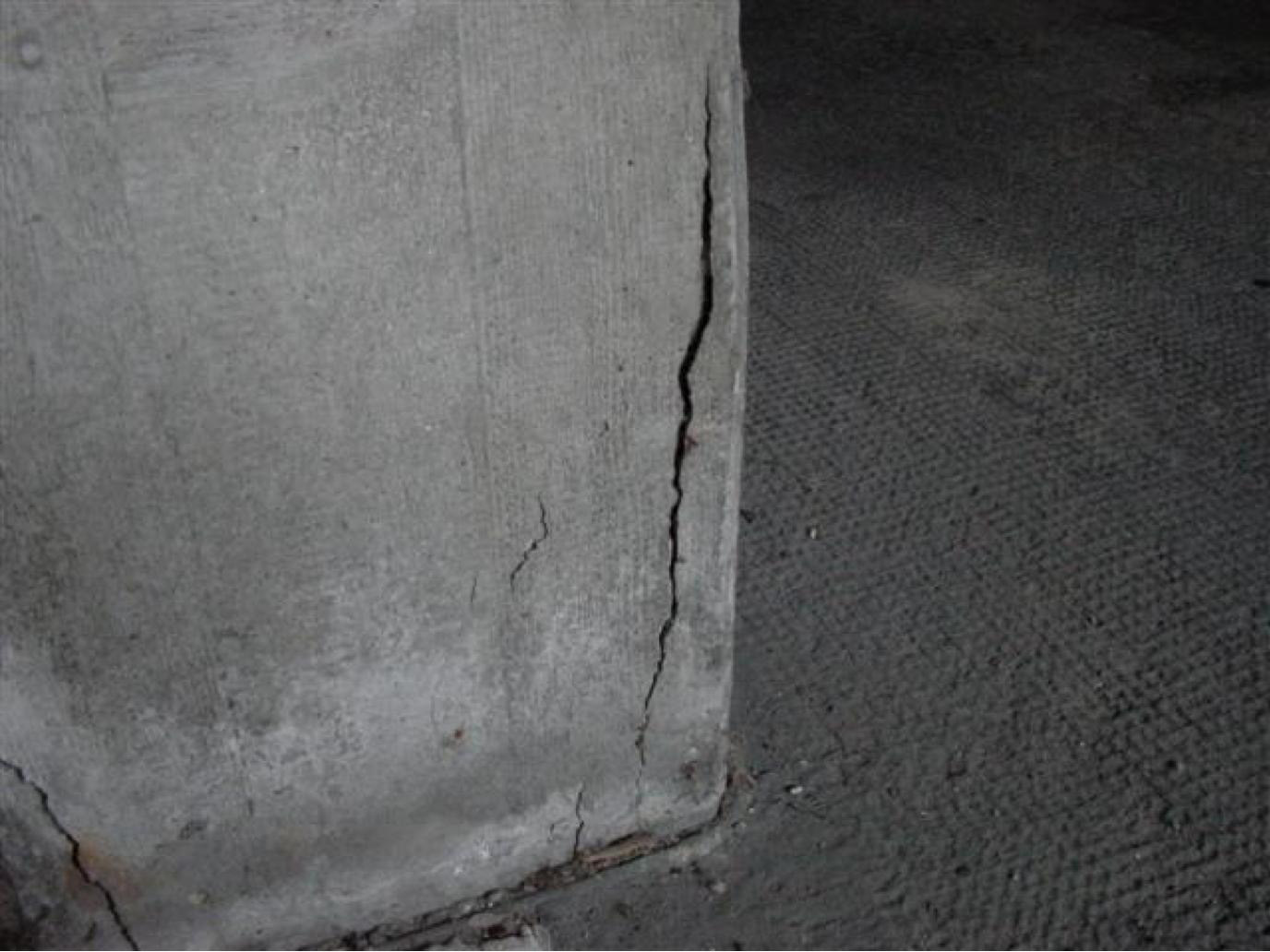
Damage to Plinth I
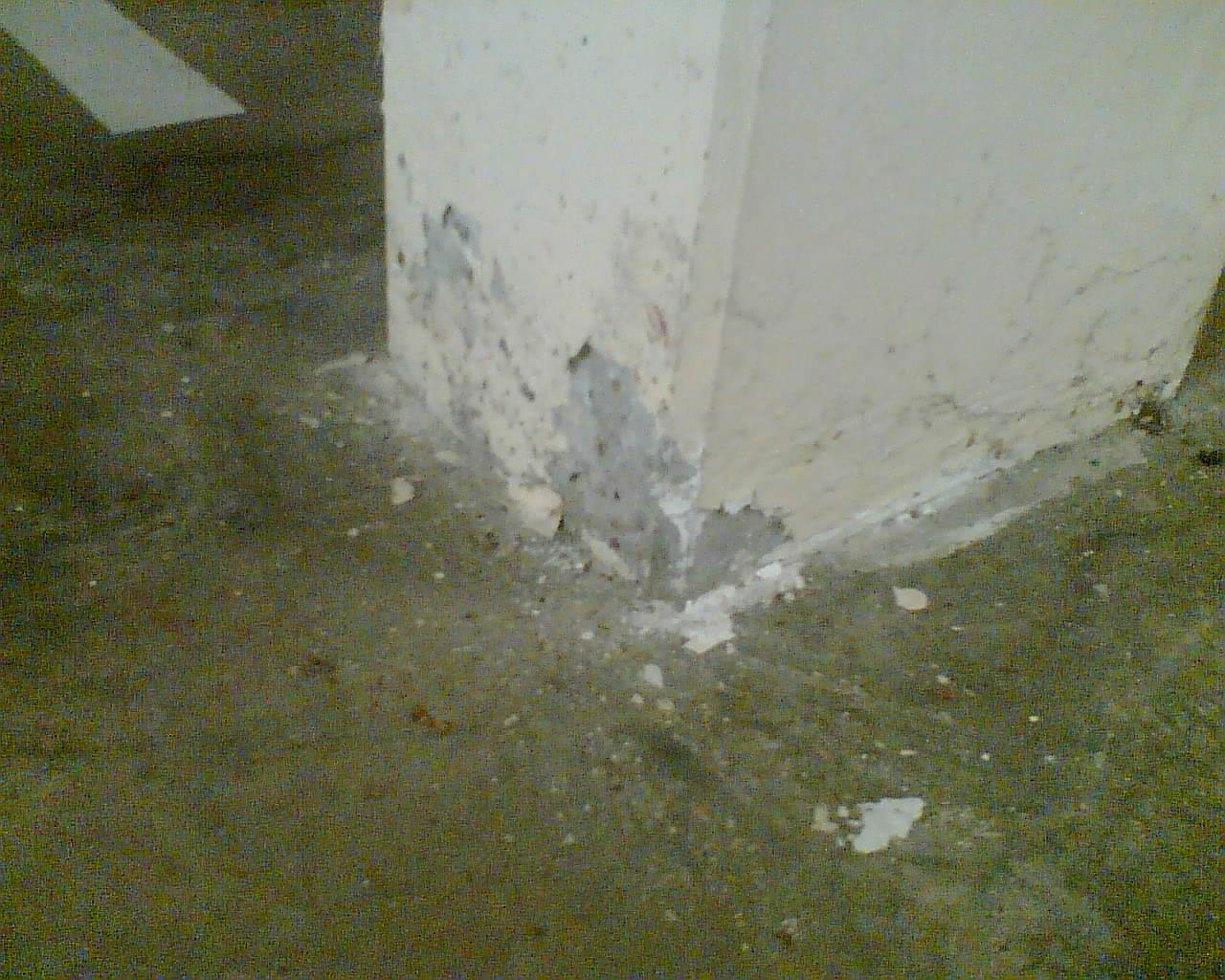
Typical damage: Peeling of the paint coat on the base of a column
Image: StoCretec
Damage to Plinth II
Typical damage: Peeling of the paint coat on the base of a column.
Image: StoCretec
Pillar repaired
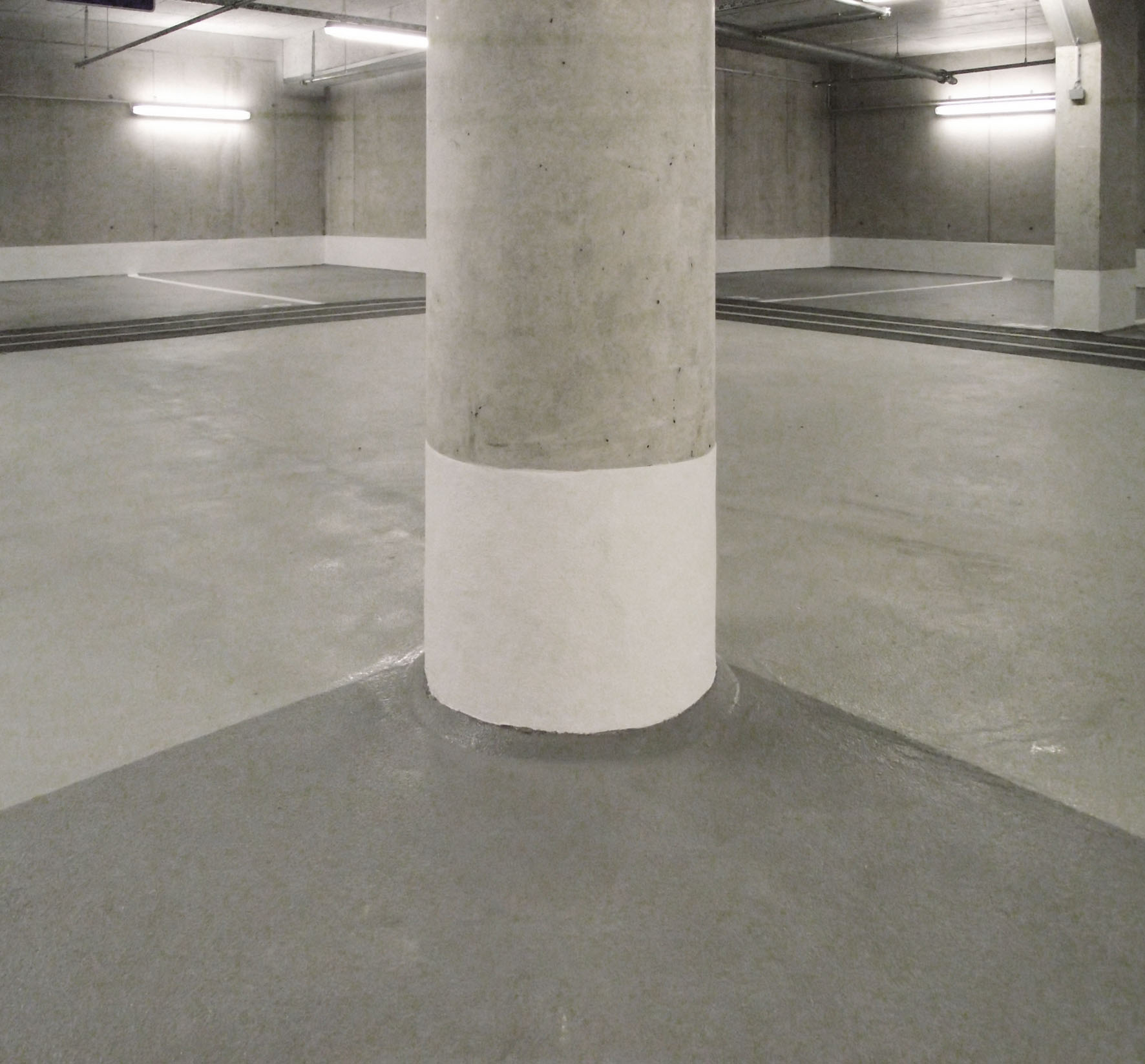
Long-term protection: The pillar was given a surface coating for the area exposed to splash and spray water. At the same time, the white coating (e.g. StoCryl V 100) enhances the pillar’s visibility.
Image: StoCretec
Ceiling refurbished
When a car park is attractively designed, it’s easy to overlook the fact that the ceiling has also been applied with a high standard of care.
Image: StoCretec
Press release and images
Download | ZIP 1,8 MB (German)
Contact us
Reproduction free of charge; please send a copy of the publication and direct any enquiries to:
pr neu - gedacht
Jan Birkenfeld
Wendebrück 2d
D-38110 Braunschweig
Tel.: 05307 80093 85
Email: j.birkenfeld@pr-neu.de