Belastbarkeit von Betonbauwerken erhöhen
Mit Carbonfasern Stahlbeton-Bauwerke verstärken
Eine bewährte Alternative zu klassischen Verstärkungsverfahren stellt die Tragwerksverstärkung mit CFK Lamellen oder CF Gelegen dar. Sie ist Stand der Technik und häufig die wirtschaftlichste und ästhetischste Lösung.
Unsere StoConcrete Verstärkungssysteme erhöhen die Zugfestigkeit tragender Bauteile. Konstruktionsmaße und Gewicht der Bauteile werden nur unwesentlich verändert. Die Verstärkungselemente sind unauffällig und nahezu vollständig kaschierbar. Ver- und Entsorgungsleitungen können während des Einbaus meist an Ort und Stelle bleiben.
Tragwerksverstärkung - warum?
Die Nutzungsdauer von Bauwerken aus Stahlbeton ist meist für mehrere Jahrzehnte vorgesehen. Veränderte Nutzungsintensität, Umbaumaßnahmen oder äußere Einflüsse wie Stürme, Erdbeben oder Unfälle führen in dieser Zeit oft zu neuen Anforderungen hinsichtlich der Belastbarkeit. Nachträgliche Verstärkungsmaßnahmen werden notwendig, um die Standsicherheit des Bauwerkes zu erhalten oder wieder herzustellen.
_2400_1600_W1025xH0.webp)
Carbonfaser vs. klassische Verfahren
Klassische Verfahren wie die Verstärkung durch eine zusätzliche Ortbetonschicht, Spritzbeton mit ergänzender Bewehrung oder zusätzliche Stahlträger weisen einige Nachteile auf: Sie erhöhen das Eigengewicht und schränken das Lichtraumprofil ein. Ihr Einbau ist kostspielig und langwierig, verursacht enorme Nutzungsausfälle und lässt sich daher oft aus Zeitgründen nicht realisieren. Architektonische und städtebauliche Gegebenheiten können zudem die Logistik erschweren.
Bewusst bauen mit Carbonfasern
- 1.
Dauerhaft
Verstärkungselemente aus Carbonfaser korrodieren und ermüden nicht.
- 2.
Sicher
Allgemeine bauaufsichtliche Zulassungen / allgemeine Bauartgenehmigungen liegen vor.
- 3.
Ästhetisch
Nahezu unsichtbar fügen sich unsere Verstärkungssysteme in die Bauwerksarchitektur ein.
- 4.
Regelmäßige Fremdüberwachung
Eignung und Qualität unserer Verstärkungssysteme sind bestätigt.
- 5.
Flexible Gestaltung
Unsere Verstärkungssysteme lassen sich verkleiden oder beschichten.
- 6.
Ressourcenschonung
Beim Einbau können vorhandene Installationen meist erhalten bleiben.

Anwendungsgebiete
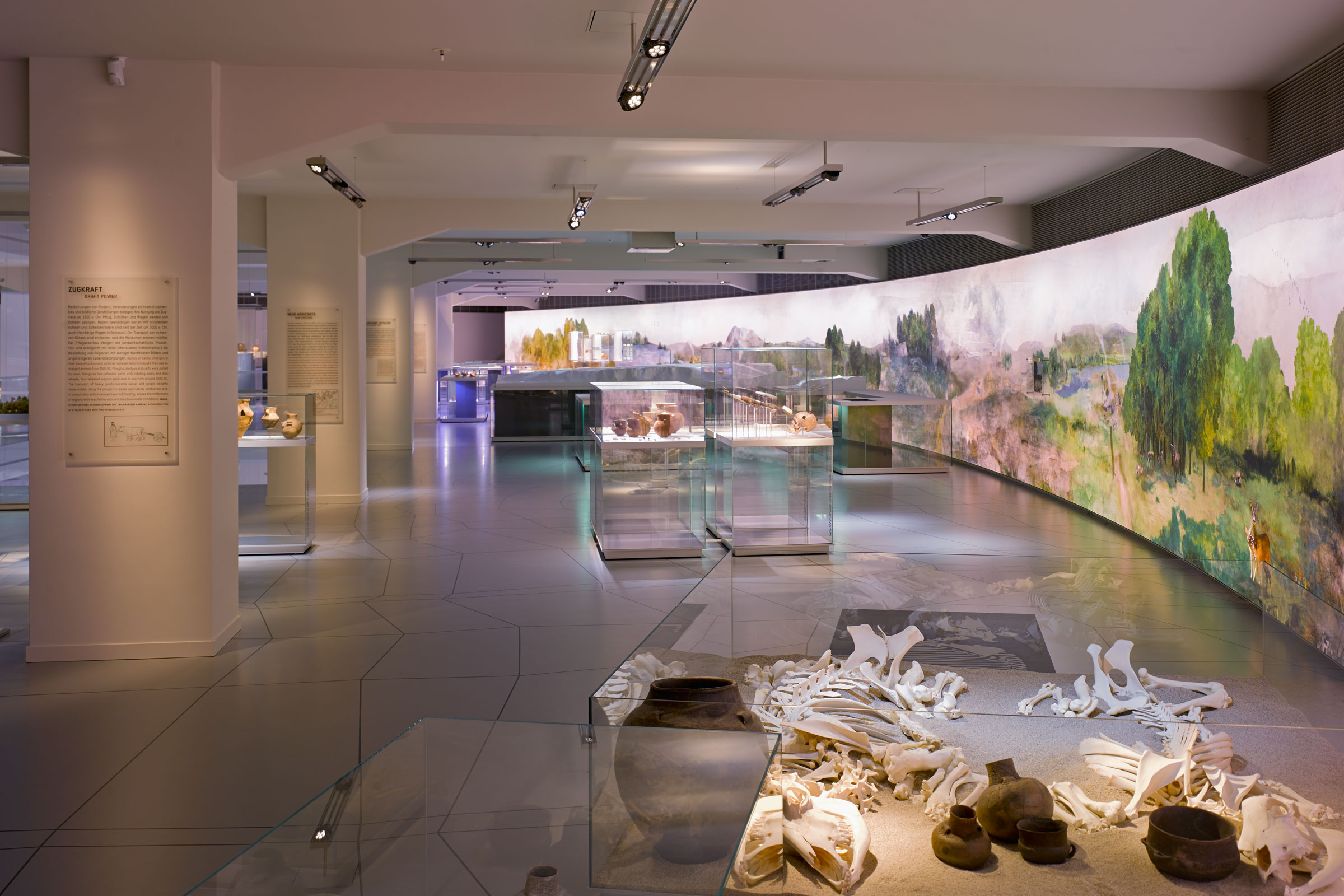
Anwendungsgebiet Hochbau
Vorhandene Bauwerke erfahren zunehmend eine Umplanung oder Umnutzung. Außerdem gewinnt die Instandhaltung von Bestandsbauten immer mehr an Bedeutung.
StoConcrete Verstärkungssysteme bieten für Hochbauten unter anderem Lösungen, um die Nutzlast von Decken zu erhöhen oder die Standsicherheit bei der Gebäudeumnutzung zu gewährleisten.
Anwendungen wie das Absichern von Deckendurchbrüchen, der Ersatz tragender Wände, Wandaussteifungen und die Verstärkung von Stützen und Pfeilern sind mit StoConcrete Verstärkungssystemen zuverlässig umsetzbar.
Unser Partner, die Simpson Strong-Tie GmbH, führt Machbarkeitsuntersuchungen durch und unterstützt bei Brandschutzlösungen.
Vorteil
StoConcrete Verstärkungssysteme können sogar unter laufendem Betrieb eingebaut werden. Eine hohe Wirtschaftlichkeit, geringes Eigengewicht und ihre optische Unauffälligkeit zeichnen sie im Vergleich zu herkömmlichen Verstärkungsmethoden besonders aus.
Anwendungsgebiet Ingenieurbau
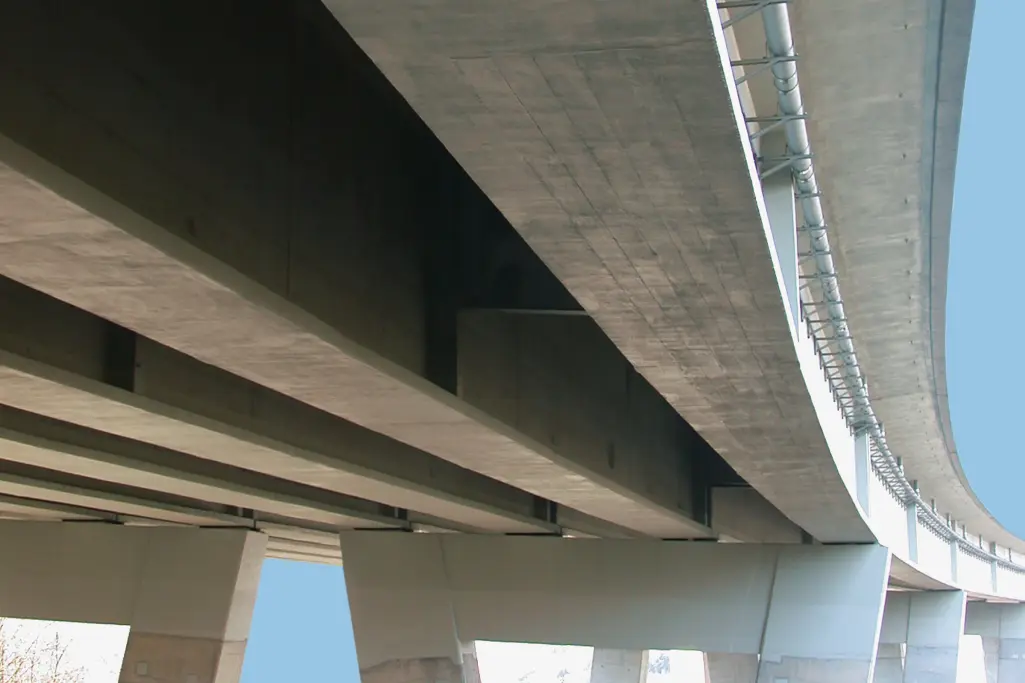
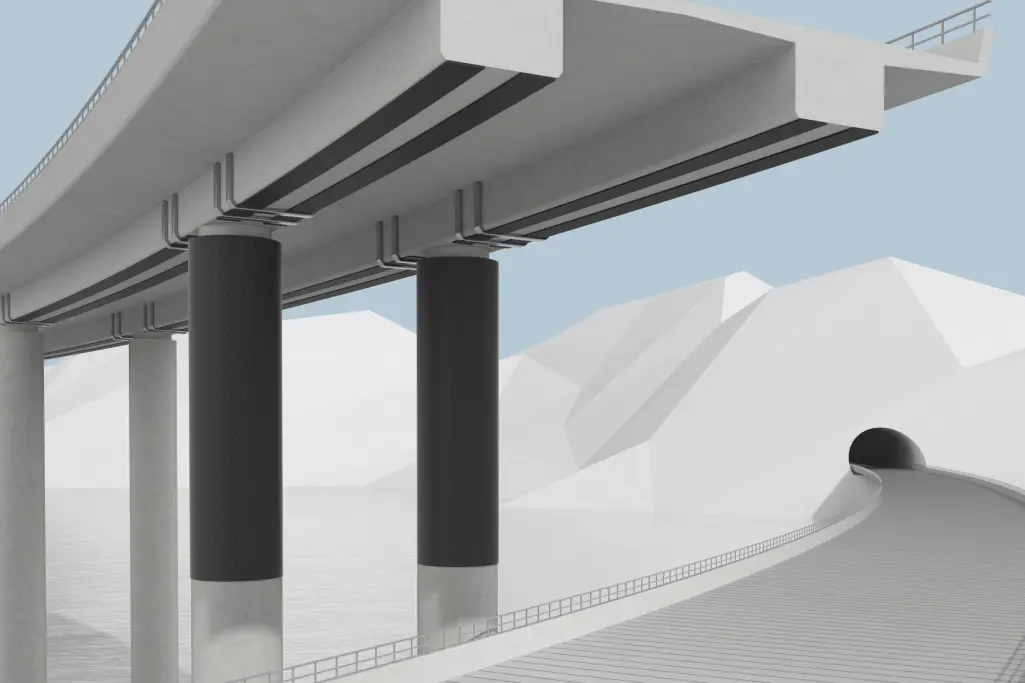
Im Ingenieurbau dienen StoConcrete Verstärkungssysteme unter anderem der wirtschaftlichen Ertüchtigung von Bestandsbrücken. Lasterhöhungen oder verschärfte gesetzliche Anforderungen können dies während der Lebensdauer eines Bauwerkes erforderlich machen.
Mit Kohlefaserlamellen oder CF Gelegen lassen sich beispielsweise die Nutzlast von Bestandsbrücken erhöhen oder eine Verbreiterung der Fahrbahn realisieren. Diese Technologie macht es möglich, die Nutzungsdauer zahlreicher Brücken enorm zu verlängern.
_2400_1600.jpg)
Vorteil
Unsere Verstärkungslösungen sorgen für Sicherheit und sind eine wirtschaftliche Alternative zu Abriss und Neubau.
Neben Brücken können Tunnel, Wasserbauwerke, Stützbauwerke, Trogbauwerke oder andere Bauten des Ingenieurbaus ertüchtigt werden.
Anwendungsgebiet Denkmalschutz
Historische Bauwerke gehören zum Erscheinungsbild unseres Landes. Diese Denkmale sind einzigartig und unwiederbringlich. Daher sind sie zu erhalten und zu schützen, wobei Baufunktion und Aussehen nicht verändert werden sollen.
CFK Verstärkungssysteme eignen sich optimal zur Ertüchtigung historischer Bauten. Die Verstärkungselemente haben wenig Eigengewicht, sie sind schmal und an Bauteile flexibel anpassbar.

Vorteil
Mit Verkleidungen oder Beschichtungen werden die Verstärkungselemente nahezu unsichtbar in das Bauwerk integriert.
Verglichen mit anderen Verstärkungsmaßnahmen, z. B. Spritzbeton, entsteht beim Einbau nur wenig Schmutz, und die Arbeiten lassen sich sehr schnell ausführen.
Die in Schlitze geklebte Lamelle verstärkt auch minderfeste Betone zuverlässig und dauerhaft.
Beratung, Bemessung, Bestellung
Der Erfolg Ihres Bauvorhabens hat oberste Priorität
Die Tragwerksverstärkung ist enorm komplex und nutzt technisch hoch entwickelte Werkstoffe. Daher legen wir in Zusammenarbeit mit der Simpson Strong-Tie GmbH großen Wert darauf, allen Kunden das notwendige Know-how und die Entwicklungskompetenz zugänglich zu machen. Die Simpson Strong-Tie Ingenieurabteilung berät und unterstützt jederzeit bei Planung und statischer Bemessung.
Der Vertrieb der StoConcrete Verstärkungssysteme erfolgt über die StoCretec GmbH.
Die Bemessungssoftwares S&P FRP Lamella und S&P FRP Colonna | PDF 0,1 MB erhalten Sie kostenfrei bei:
Simpson Strong-Tie GmbH
Hubert-Vergölst-Straße 6
61231 Bad Nauheim
Telefon +49 6032 8680 160
info@sp-reinforcement.de
www.sp-reinforcement.de
Verstärkungsprinzipien im Vergleich
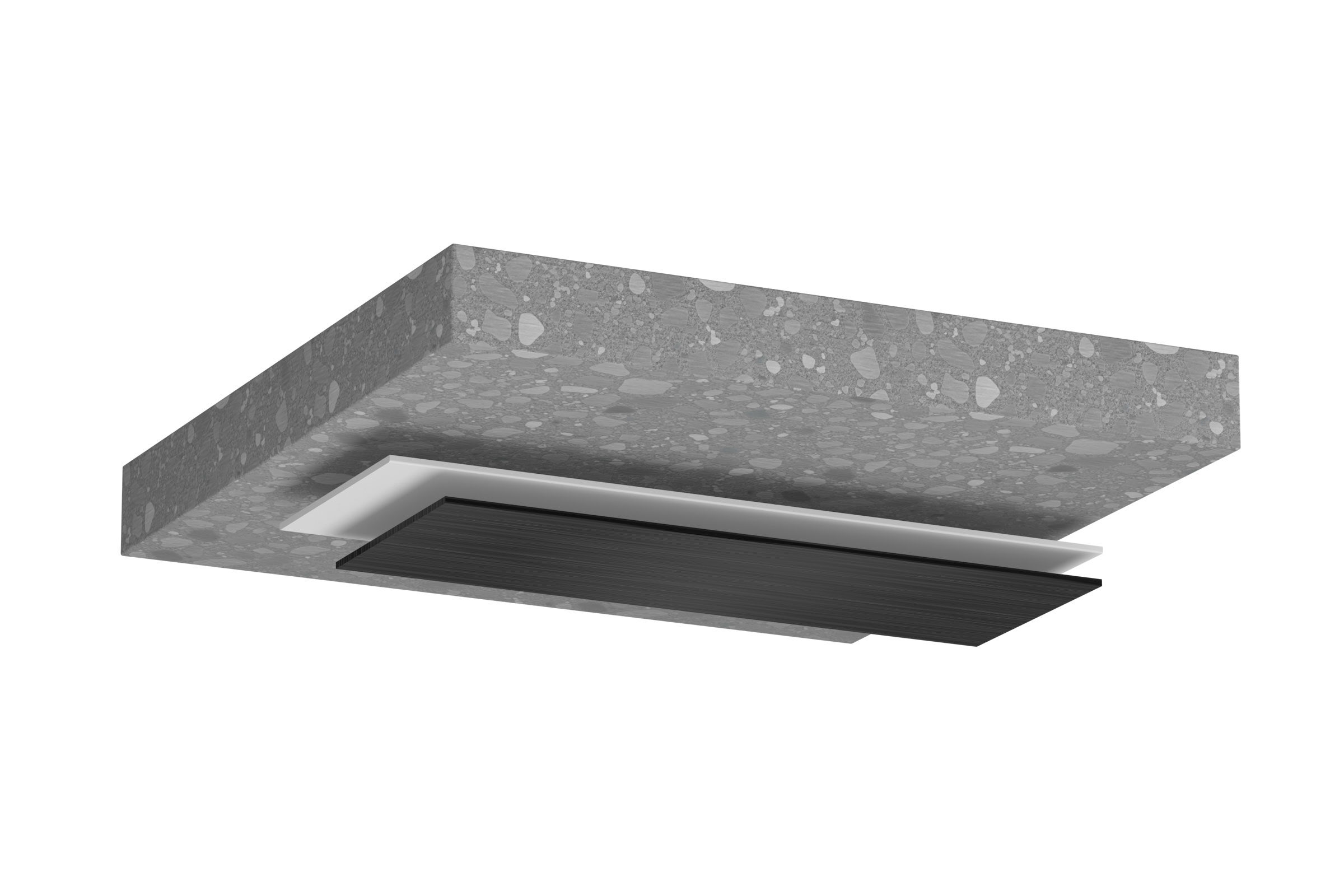
Das System StoConcrete Carbon Plate mit oberflächig geklebter Lamelle wird vorrangig zur Biegezugverstärkung eingesetzt. Es dient der Ertüchtigung von Betonbauteilen unter vorwiegend ruhender und nicht vorwiegend ruhender Belastung.
Die Lamellen sind enorm zugfest. Ohne Untergrundausgleich trägt das System nur 3 bis 4 Millimeter auf und hat somit kaum Einfluss auf das Lichtraumprofil des Bauwerkes. Mit Bekleidungen oder Beschichtungen ist der ursprüngliche Raumeindruck vollständig wieder herstellbar.
Aufgrund ihres niedrigen Eigengewichtes lässt sich die oberflächig geklebte Lamelle auch über Kopf einfach montieren. Eine zusätzliche Unterstützung während der Aushärtung des Klebers ist nicht notwendig. Durch eine Überkreuz-Verklebung ist die Verstärkung zweiachsig gespannter Platten realisierbar.
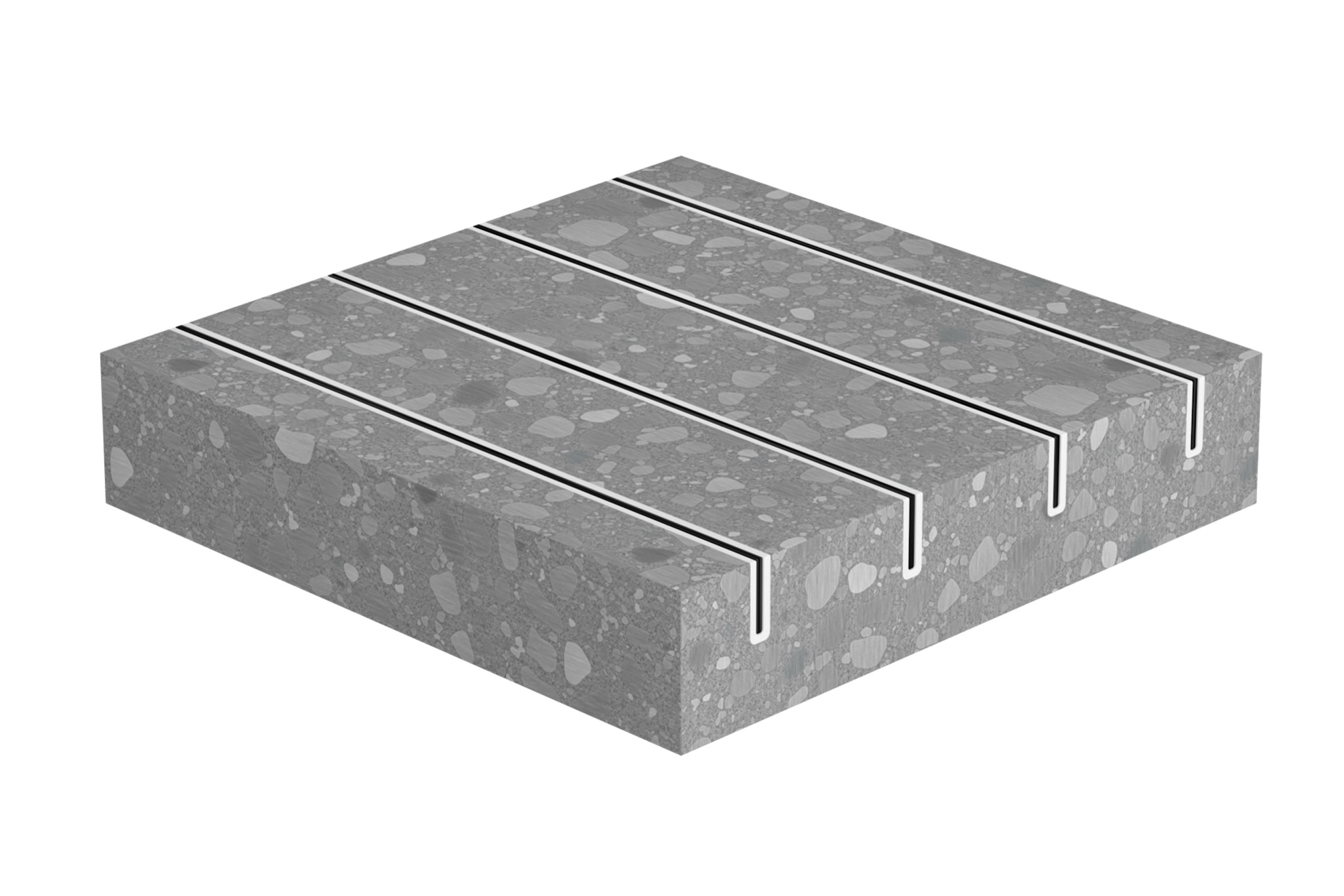
Das System StoConcrete Carbon Plate mit in Schlitze geklebten Lamellen zeichnet sich durch eine sehr hohe Verbundtragfähigkeit aus. Es verstärkt Betonbauteile unter vorwiegend ruhender sowie nicht vorwiegend ruhender Belastung. Die Lamellen werden hochkant in mit Kleber gefüllte Schlitze eingelegt und erreichen damit eine sehr hohe Zugfestigkeit.
In Verbindung mit der oberflächig geklebten Lamelle ist eine zweiachsige Verstärkung realisierbar. Eingeschlitzte Lamellen lassen sich besonders gut im befahrenen Bereich, aber auch über Kopf einfach montieren und benötigen keine Unterstützung während der Kleberaushärtung.
Sie sind oberflächenbündig einzulassen und verändern somit nicht das Lichtraumprofil des Bauwerkes. Die verstärkten Bereiche lassen sich mit Beschichtungen kombinieren.
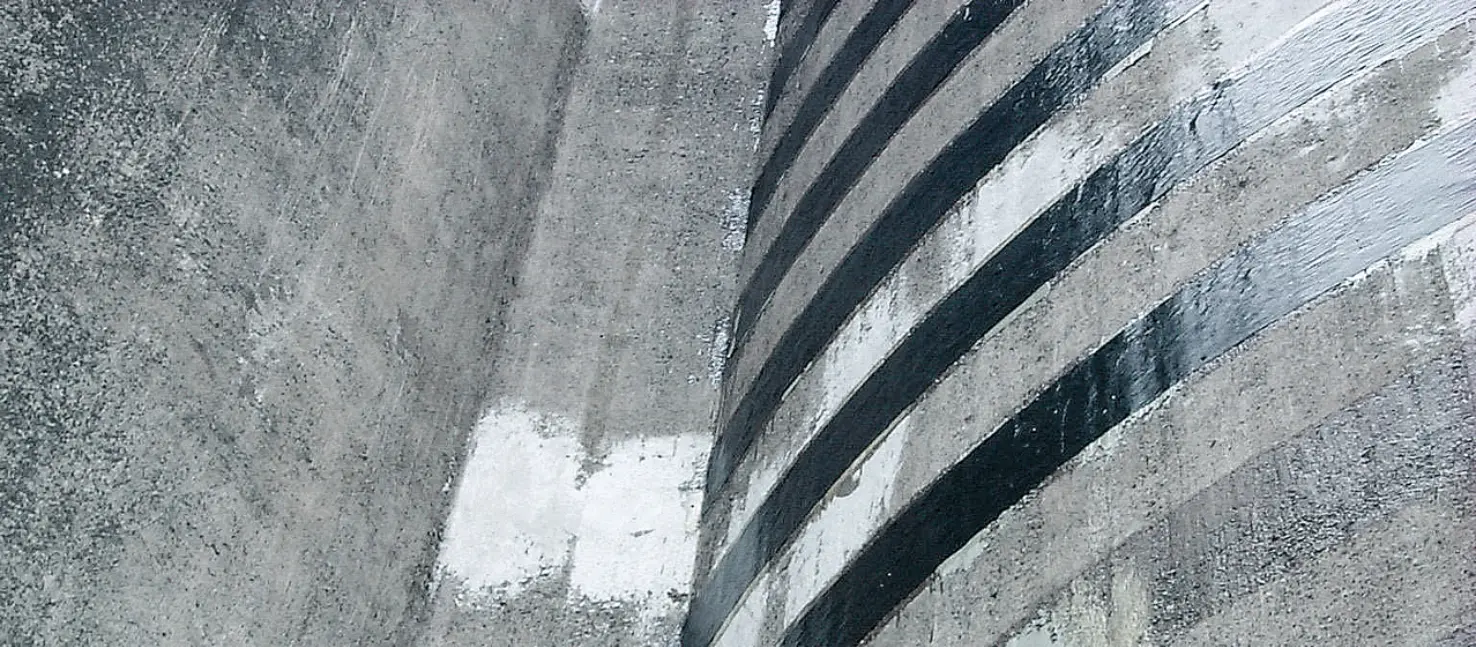
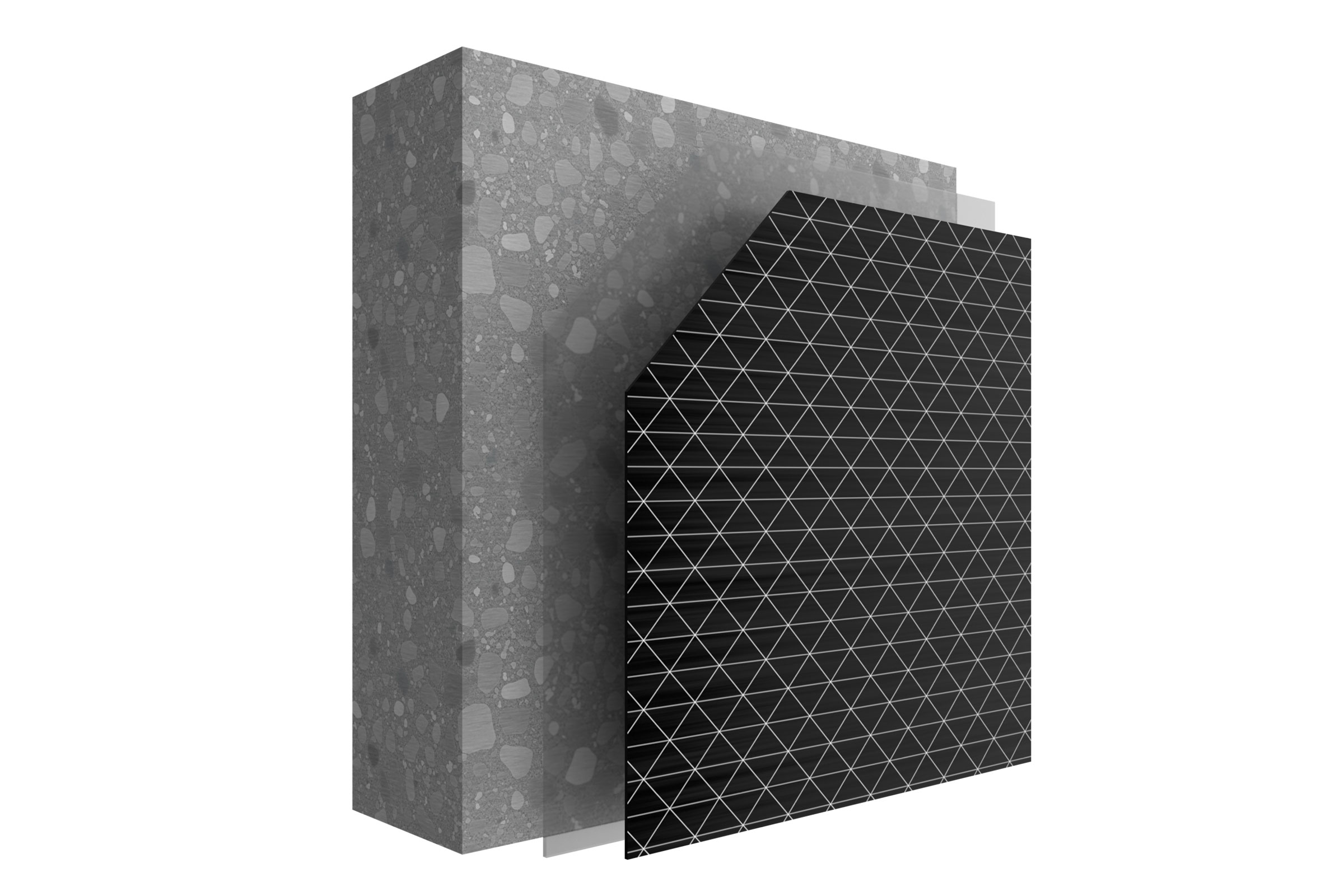
Das System StoConcrete Carbon Sheet wird zur Biegezugsowie Querkraftverstärkung ebener sowie runder Bauteile eingesetzt. Die Sto S&P C Sheets sind flache, großflächige Kohlefasergelege. Sie werden auf einer Kunststofffolie angeliefert und auf der Baustelle als handlaminierte Verstärkung eingebaut. Es eignet sich für die externe Verstärkung auf Schub oder als Normalkraftverstärkung bei Stützen.
Im Zusammenspiel beider Varianten kann eine Torsionsverstärkung bei Massivbauteilen vorgenommen werden. Mit Bekleidungen oder Beschichtungen lässt sich das Sto S&P C Sheet optisch an die Umgebung anpassen.
Das System StoConcrete Carbon Plate mit oberflächig geklebter Lamelle wird vorrangig zur Biegezugverstärkung eingesetzt. Es dient der Ertüchtigung von Betonbauteilen unter vorwiegend ruhender und nicht vorwiegend ruhender Belastung.
Die Lamellen sind enorm zugfest. Ohne Untergrundausgleich trägt das System nur 3 bis 4 Millimeter auf und hat somit kaum Einfluss auf das Lichtraumprofil des Bauwerkes. Mit Bekleidungen oder Beschichtungen ist der ursprüngliche Raumeindruck vollständig wieder herstellbar.
Aufgrund ihres niedrigen Eigengewichtes lässt sich die oberflächig geklebte Lamelle auch über Kopf einfach montieren. Eine zusätzliche Unterstützung während der Aushärtung des Klebers ist nicht notwendig. Durch eine Überkreuz-Verklebung ist die Verstärkung zweiachsig gespannter Platten realisierbar.
Das System StoConcrete Carbon Plate mit in Schlitze geklebten Lamellen zeichnet sich durch eine sehr hohe Verbundtragfähigkeit aus. Es verstärkt Betonbauteile unter vorwiegend ruhender sowie nicht vorwiegend ruhender Belastung. Die Lamellen werden hochkant in mit Kleber gefüllte Schlitze eingelegt und erreichen damit eine sehr hohe Zugfestigkeit.
In Verbindung mit der oberflächig geklebten Lamelle ist eine zweiachsige Verstärkung realisierbar. Eingeschlitzte Lamellen lassen sich besonders gut im befahrenen Bereich, aber auch über Kopf einfach montieren und benötigen keine Unterstützung während der Kleberaushärtung.
Sie sind oberflächenbündig einzulassen und verändern somit nicht das Lichtraumprofil des Bauwerkes. Die verstärkten Bereiche lassen sich mit Beschichtungen kombinieren.
Das System StoConcrete Carbon Sheet wird zur Biegezugsowie Querkraftverstärkung ebener sowie runder Bauteile eingesetzt. Die Sto S&P C Sheets sind flache, großflächige Kohlefasergelege. Sie werden auf einer Kunststofffolie angeliefert und auf der Baustelle als handlaminierte Verstärkung eingebaut. Es eignet sich für die externe Verstärkung auf Schub oder als Normalkraftverstärkung bei Stützen.
Im Zusammenspiel beider Varianten kann eine Torsionsverstärkung bei Massivbauteilen vorgenommen werden. Mit Bekleidungen oder Beschichtungen lässt sich das Sto S&P C Sheet optisch an die Umgebung anpassen.
Inspirationen gesucht?
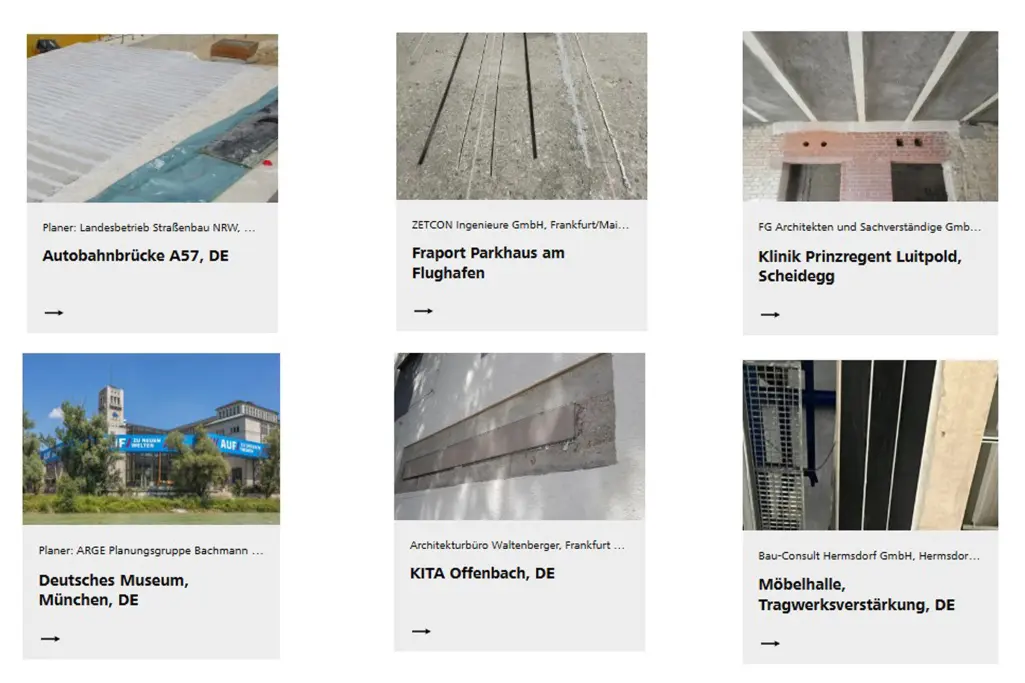
Schauen Sie doch einmal auf unserer Referenzen-Seite vorbei. Hier finden Sie zahlreiche Berichte zu interessanten Objekten aus dem Bereich der Tragwerksverstärkung. Die meisten davon in Deutsch und Englisch.
Zu den Referenzen