
Production hall, Effelder, DE
Refurbish oil-contaminated floors easily and efficiently
- Completed
- 2025
- Planning
- k.A.
- Application
- Fenn Handwerkerservice, Schleusingen, DE
- Building owners
- Baumbach Metall E.S. GmbH, Frankenblick, DE
- Sto proficiency
- StoPox HVP O (für ölkontaminierte Flächen), StoPox GH 205, StoPox GH 530, StoQuarz 0,6 - 1,2 mm, StoPox DV 100, StoPox WL 150 transparent
- Photos
- Fenn Handwerkerservice, Bodenbeschichtung24.com
Refurbish oil-contaminated floors easily and efficientlywith StoCretec
Baumbach Metall, based in the German town of Effelder, Thuringia, produces steel fibres for concrete reinforcement, blasting abrasives, and steel shot of the highest quality for various applications and is Europe's market leader.
Even the most modern high-tech machines can contaminate a hall floor with oil, oily cooling and lubricating water, or other oily liquids. For this reason, the client has now completely renovated the approximately 120 square metres of floor in one of the metalworking machine halls.
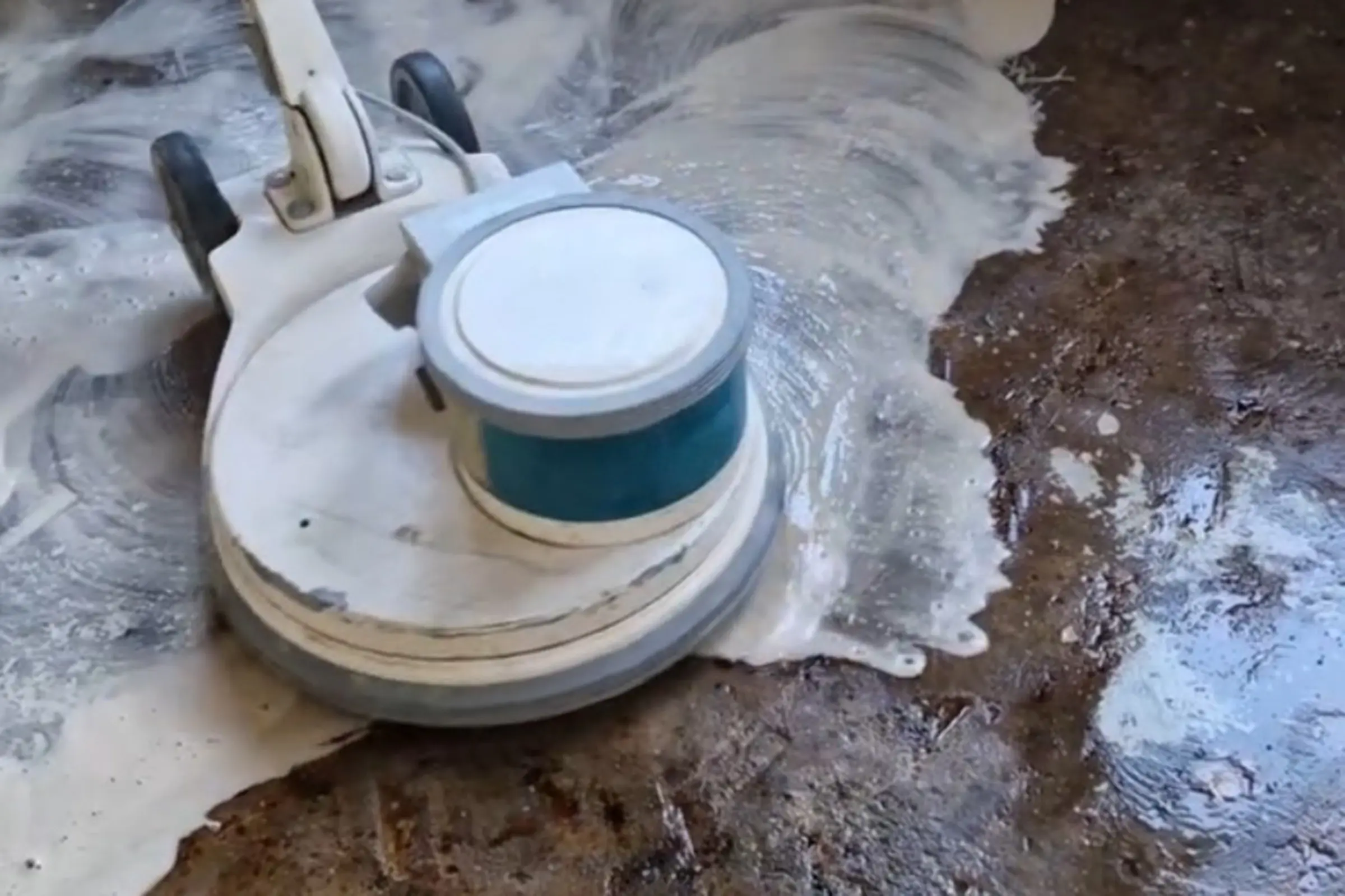
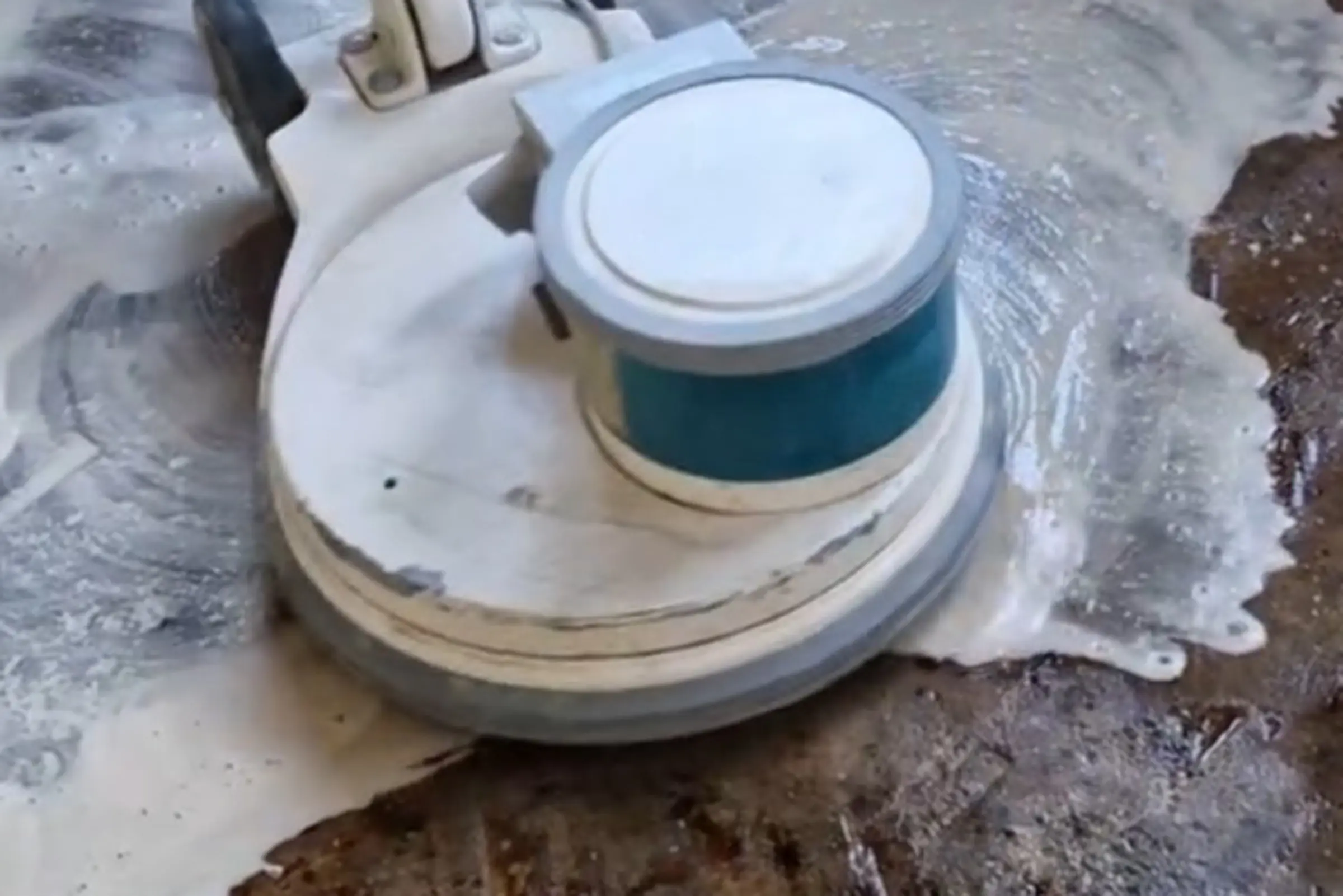
In the first step, the applicator removed the old epoxy resin coating, exposing damage to the concrete substrate. He repaired these defects using repair mortar. The hall floor was contaminated with oily substances in several areas. In order to ensure that capillary oil rising from the substrate would not impair the adhesion of the new floor coating, a deep penetrating cleaning of the concrete substrate was performed.
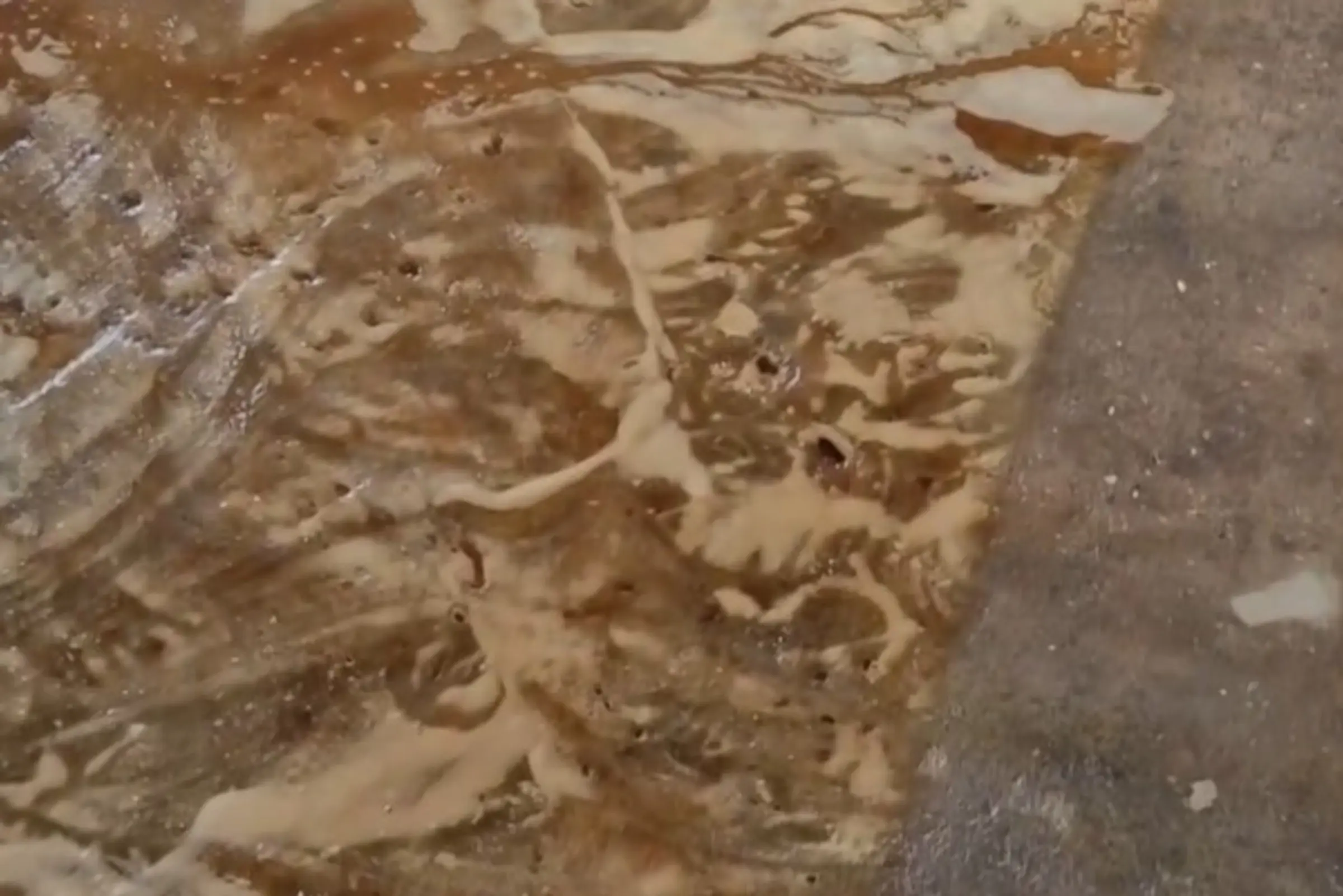
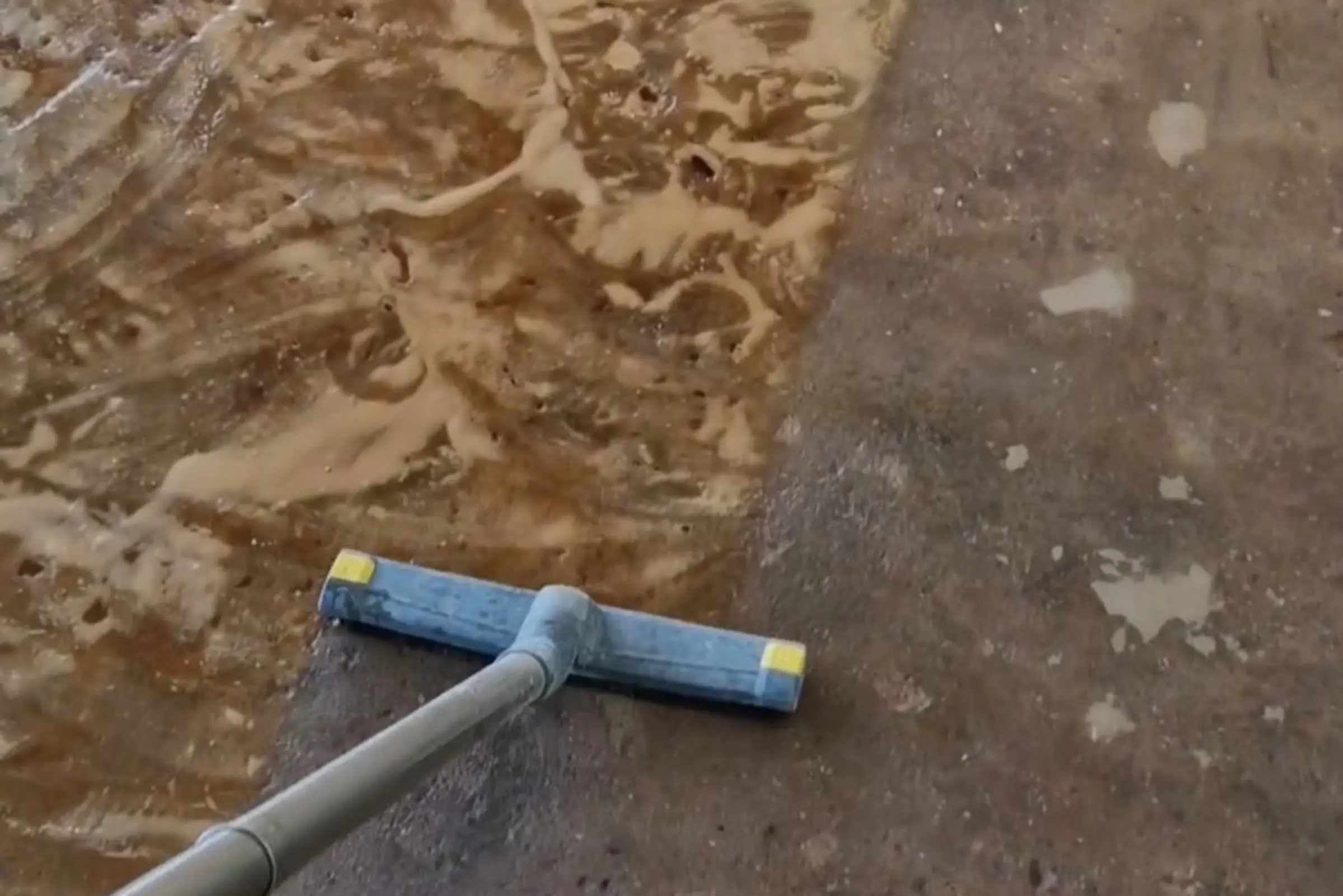
By thoroughly treating the contaminated area with HVP O Oil Remover (from Schencking & Bury) and subsequently priming it with StoPox HVP O from StoCretec, a load-bearing substrate for the new floor coating was established. For this purpose, applicator Fenn first applied HVP O Oil Remover and brushed it into the floor concrete with water. Clever: The capillary action of the oil remover and the water transported the encapsulated micro-oil particles to the surface. This created an oil-foam mixture that could then be removed with a wet vacuum.
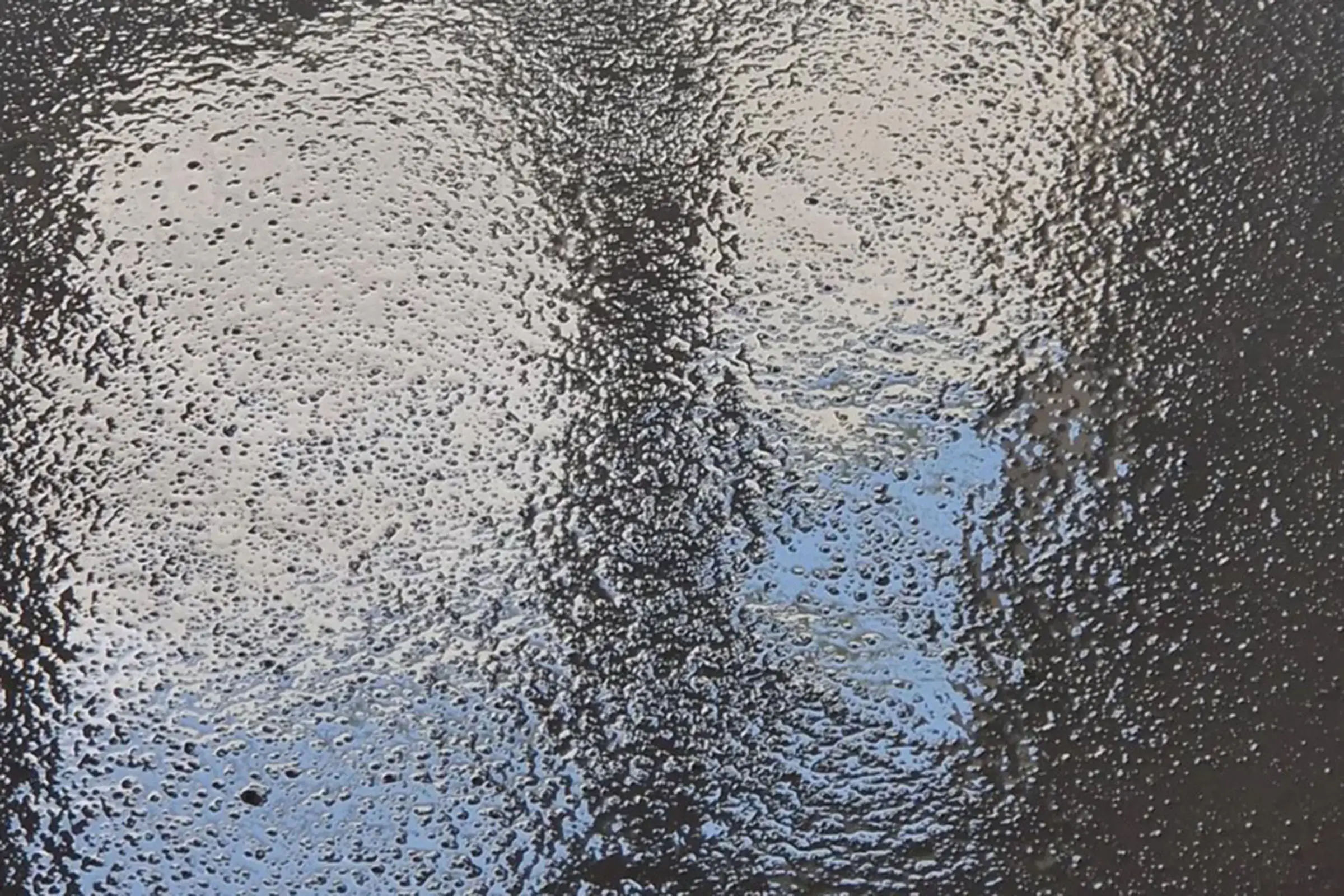
The applicator could then apply the StoCretec StoPox HVP O primer directly to the damp, cleaned floor concrete using a rubber squeegee. This primer penetrated deep into the open capillary structures and formed an effective barrier against capillary rising oil. This method enabled economical and permanent repair of oil-contaminated floor surfaces. Cleaning and subsequent priming are both now simple to perform.
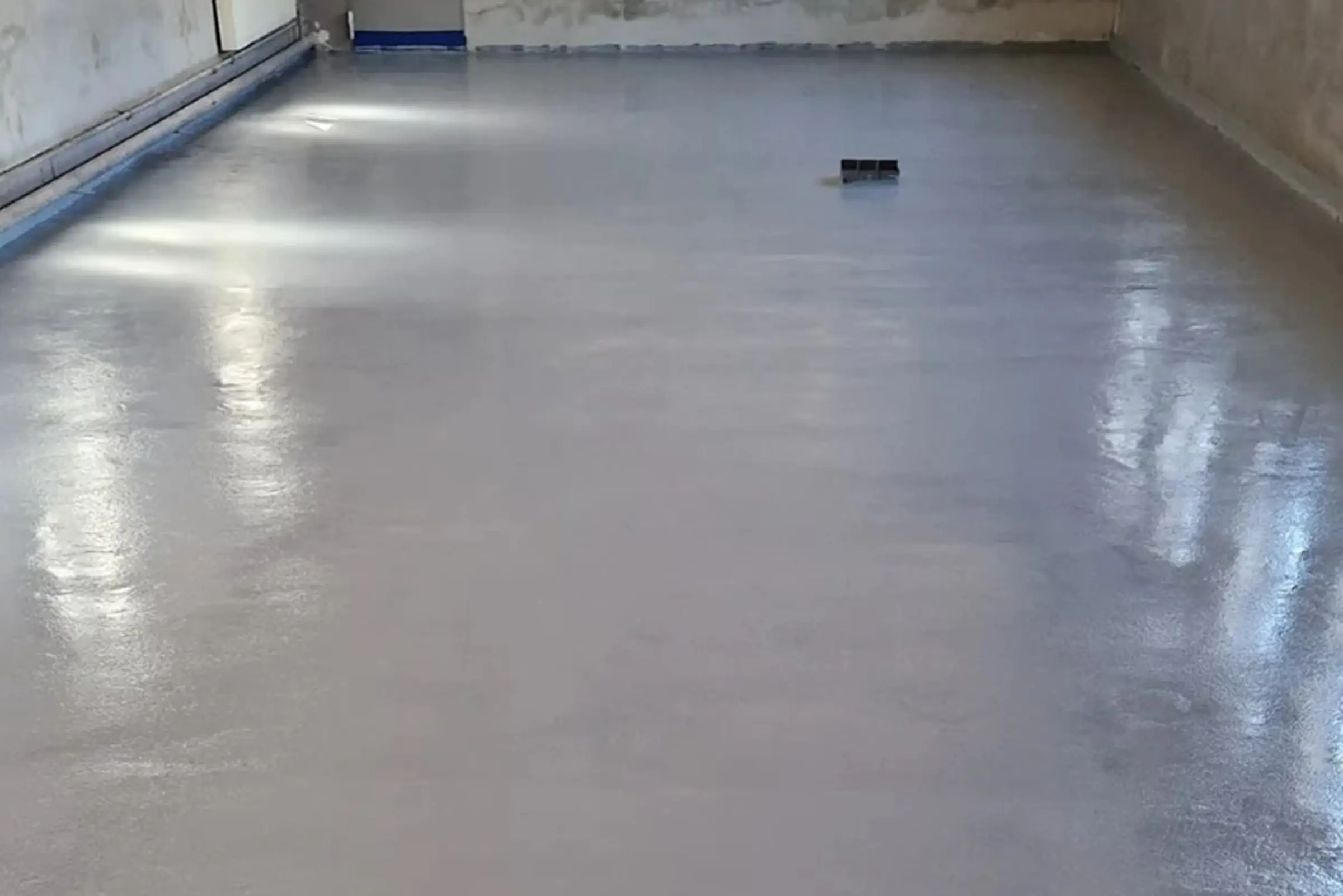
After cleaning, the applicator applied a new floor coating. They applied the prime coat with StoPox GH 205, followed by a levelling coat of StoPox GH 530 (fully broadcasted). They sealed the surface with StoPox DV 100 and finally again with the semi-gloss StoCretec epoxy resin StoPox WL 150 transparent.
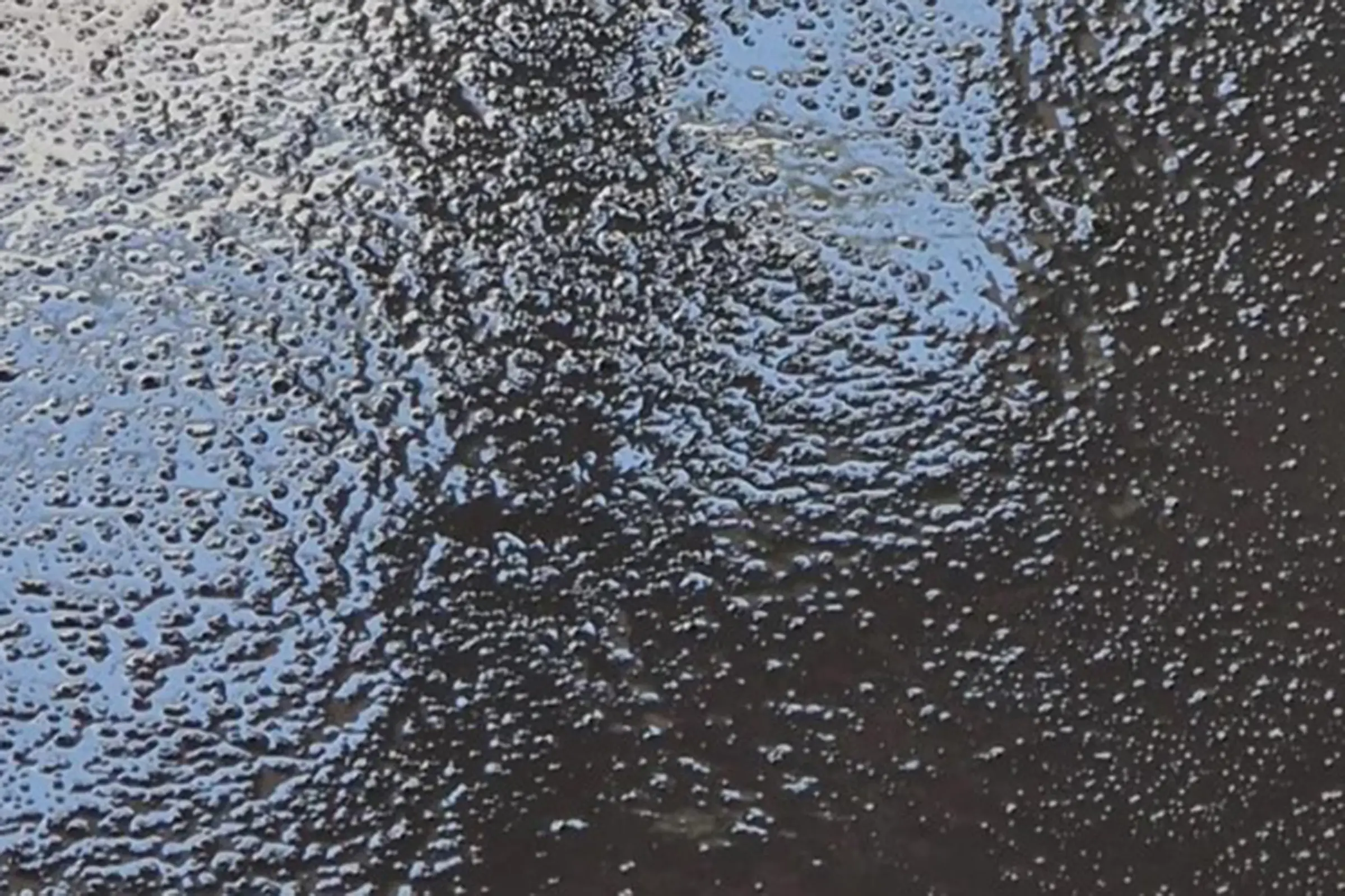
The selected floor coating solution offered excellent wear resistance, is chemically and mechanically resistant, highly abrasion-resistant, and tested against reoccurring rising damp. Furthermore, the system build-up was slip-resistant due to the full sand broadcasting. The transparent sealing of the floor surface with the EP water-based coating material StoPox WL 150 transparent is highly abrasion-resistant and can withstand temperatures of +80° C for short periods during cleaning.
Download project report | PDF 0,7 MB