Coating systems for the food industry
Reliable, powerful and durable
Coating systems for the food industry must meet the highest hygienic and functional requirements. They must not impair the quality of the products and must withstand extreme loads. Not only the raw materials used for production are subject to the highest requirements, but also operating equipment such as furnishings, machines or building materials.
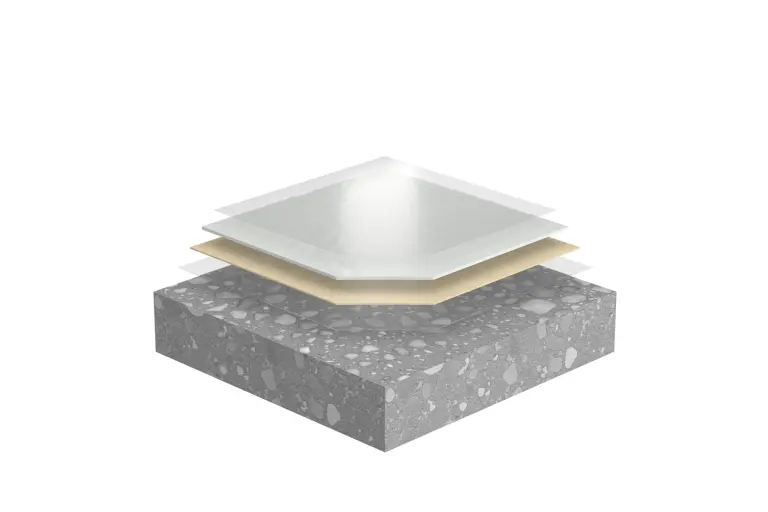
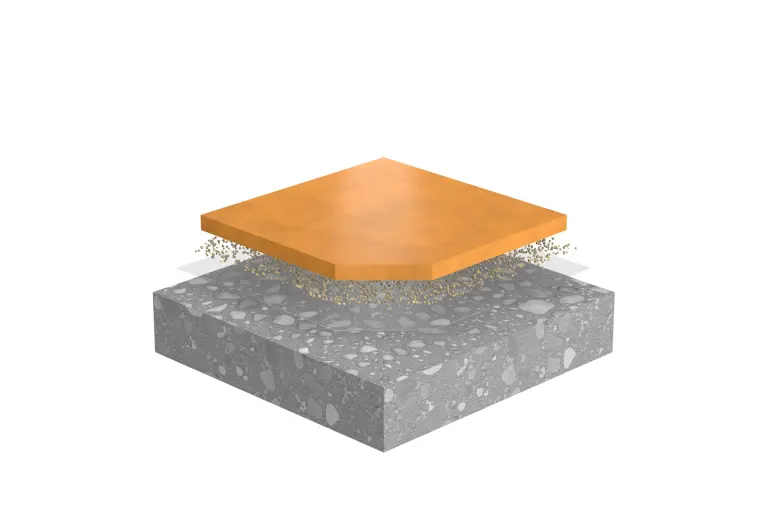
Our StoFloor Food floor coating systems offer reliable, high-performance and durable solutions for this.
Safety, hygiene and functionality
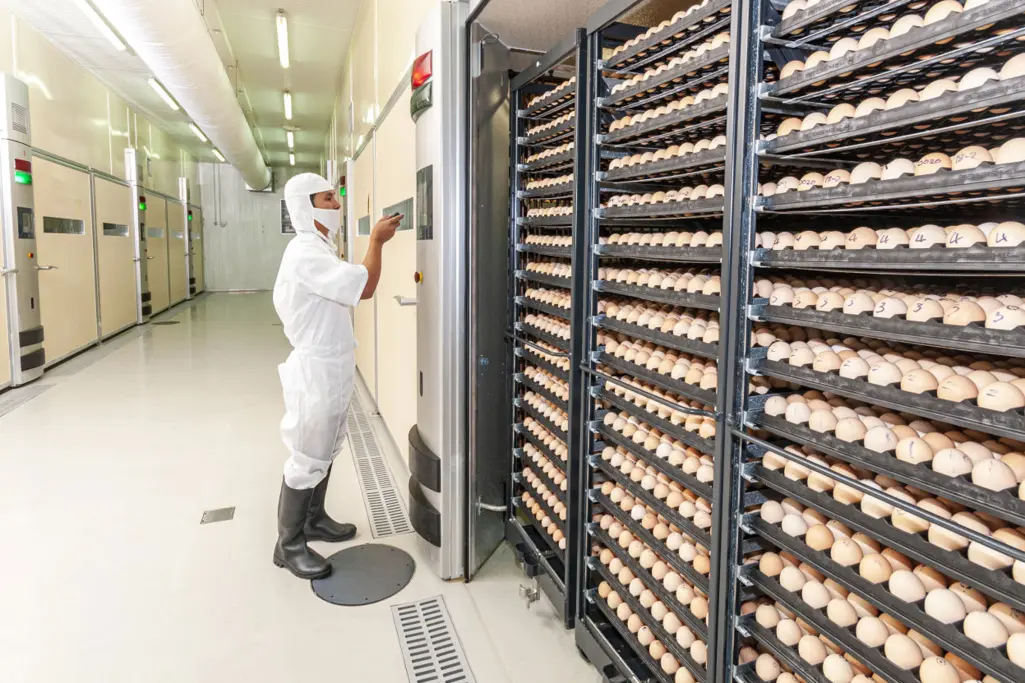
Guaranteed at all times: Coatings for floors, walls and ceilings must prove their suitability for the production, packaging and storage of food.
They must not impair the quality of the products and should meet the highest hygienic standards. The coatings must guarantee slip resistance and withstand a wide variety of loads.
StoFloor food coating systems offer functional and durable solutions. They have specific test certificates such as HACCP, FDA, ISEGA, indirect contact with food, etc.
Coatings for walls and ceilings round off our portfolio.
_2400_1600_W1025xH0.webp)
Certified coating solutions Food
Slip-resistant, chemically resistant and easy to clean
Slip resistance
In the various working areas of bakeries or grain mills, occupational safety is a top priority. Floor coatings must be verifiably slip-resistant. In the area of bakery production, floors must be equipped with slip resistance class R 11 and in defrosting and warming kitchens with slip resistance class R 10.

Chemical, mechanical and thermal resistance
The use of baking soda, flavourings, greases or cleaning and disinfecting agents demands chemical resistance from the floor.
Loads from production plants, various vehicles, but also from high-performance ovens require high mechanical and thermal resistance.
Cleanability
Floor coatings in bakeries and mills must be easy to clean. In areas exposed to dust, e.g. grain mills, an electrically conductive floor protects against explosions.
High thermal and chemical resistance, easy to clean
Chemical resistance
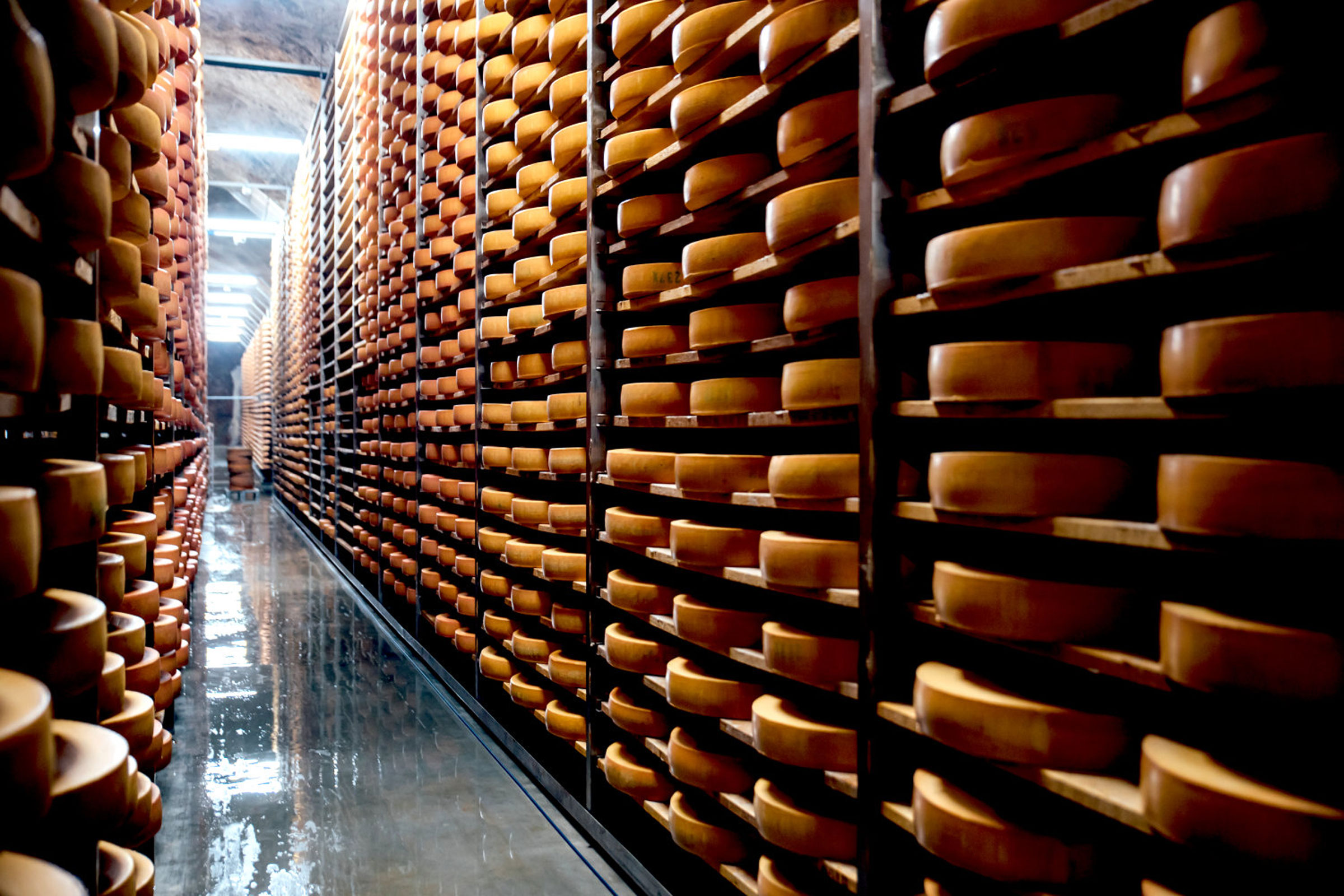
Hygiene and cleanliness have top priority in dairies and cheese factories. Microorganisms must not be allowed to settle on the surfaces of production equipment, walls, ceilings and floors. Therefore, floor coatings must be easy to clean. In addition, they must be highly chemically resistant to withstand daily cleaning with disinfectants. Lactic acid and salts must also not damage the floor.
Thermal resistance
The use of steam cleaners requires a high thermal resistance of the surface.
Slip resistance
Grease and other stagnant liquids can impair work safety. Therefore, floors for fresh milk and ice cream production must be set in slip resistance class R 12. Production, storage and packaging of cheese must be equipped with class R 11.
Highly chemically and thermally resistant
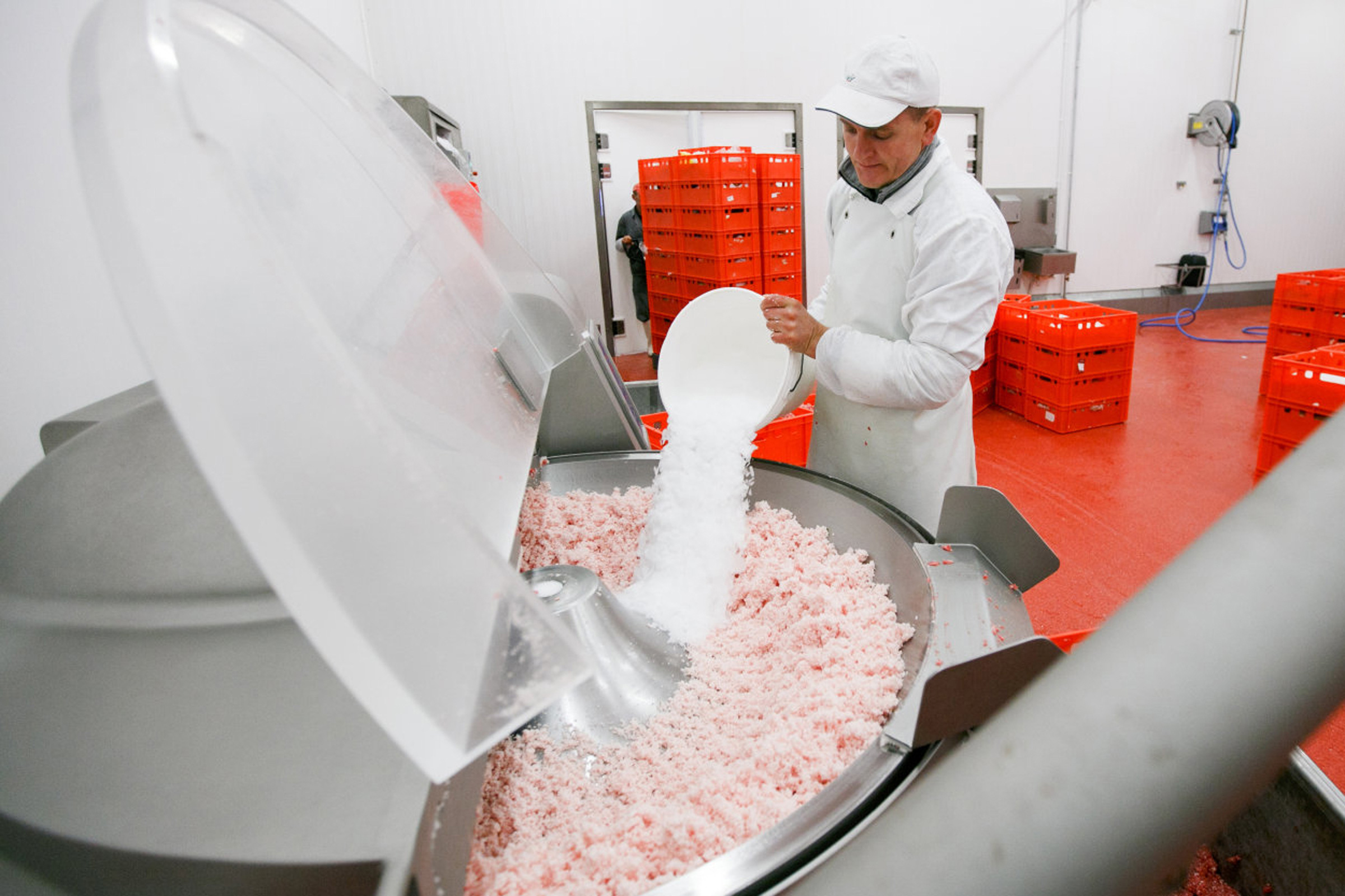
The highest safety and hygiene regulations apply to the meat and fish industry. Among other things, they require HACCP certification for floor coatings. Odour or taste transfer from the coating to the meat or fish must be excluded.
Chemical and thermal resistance
The coating must not provide a breeding ground for germs and bacteria. In order to meet the high hygiene requirements, highly effective cleaning agents and disinfectants are used. Therefore, the floor must have a high chemical resistance. This also protects it from the effects of salts, blood, fats and offal. Areas with hot-cold exposure require a highly thermally resistant coating.
Slip resistance
Slip resistance classes R 12 or R 13, depending on the work area, ensure safe walking even when wet.
Permanently wet-resistant and chemically resistant
Thermal loads in continuous wet areas
Breweries, vintners, fruit press houses and other beverage producers need floor coatings with high thermal resistance. Permanent exposure to hot water in washing areas as well as alternating exposure to hot and cold water demand a lot from the floor. To ensure occupational safety in permanently wet conditions, the beverage bottling and fruit juice production areas receive at least an R 11 slip-resistance class, while storage and fermentation cellars are equipped with an R 10 slip-resistance class.
_2400_1600.jpg)
Chemical and mechanical resistance
High chemical resistance ensures that the coating surface does not stain. Residues of wine, juices or beer can be easily removed. The floor even resists chemical cleaning agents and disinfectants.
Machines, vehicles, barrels or pallets, for example, cause high mechanical loads over large areas as well as at specific points. Therefore, coatings must be highly impact-resistant and wear-resistant.
Seamless floor coatings
Abrasion-resistant, seamless and easily decontaminated
Hygiene is the top priority in food packaging to protect the health of consumers. This is why some packaging processes take place under cleanroom conditions or in a vacuum. In these areas, abrasion-resistant, jointless floor coatings are used.
_2400_1600.jpg)
Chemical, thermal and mechanical stress
Floor coatings in food packaging areas must be highly chemically resistant and allow for easy, residue-free cleaning and decontamination.
The heavy traffic by transport vehicles requires a high wear resistance of the floor. Even daily cleaning with a steam cleaner and sometimes chemical cleaning agents must not damage the floor.