
_1278_W1476xH0.webp)
Altbetone dauerhaft instandsetzen
Bauen im Bestand
Die Instandsetzung von Betonbauwerken dient der Verlängerung ihrer Restnutzungsdauer. Es handelt sich um einen minimalinvasiven Eingriff in das Bauwerk, bei dem nur das Nötigste entnommen und ersetzt wird. Damit tragen alle Projektbeteiligten – Betreiber, Planer, Verarbeiter und Materiallieferant – zur Schonung der natürlichen Ressourcen bei.
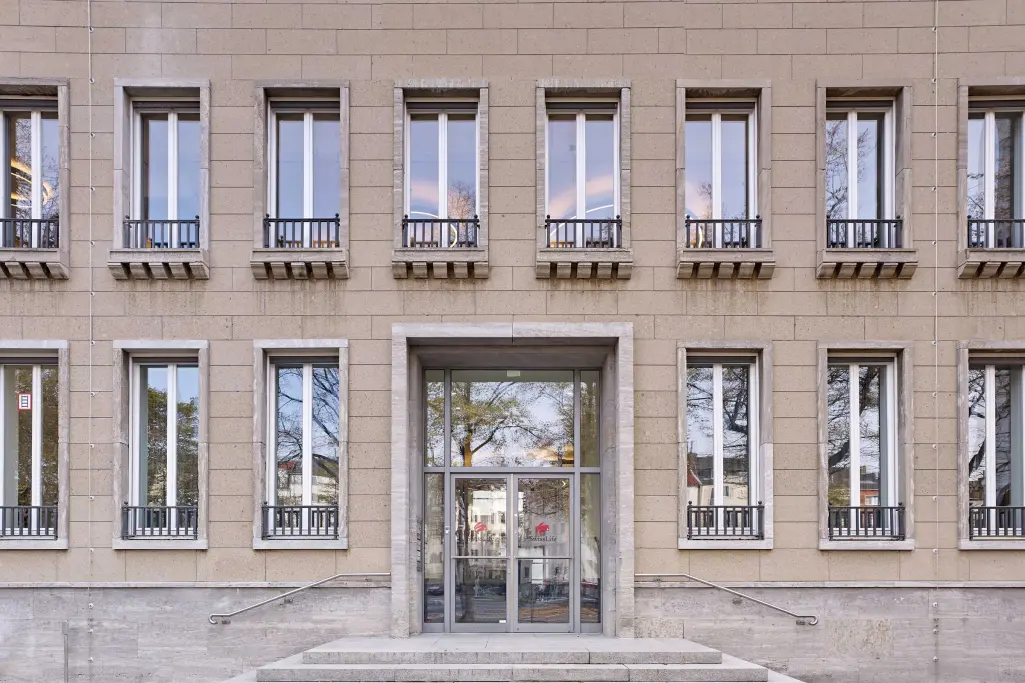
Integriertes Gesamtkonzept
Mechanische Eigenschaften kombiniert mit hoher Dauerhaftigkeit und Brandschutz
Für die standsicherheitsrelevante und nicht standsicherheitsrelevante Betoninstandsetzung unter Berücksichtigung der vorhandenen Altbetonklasse empfehlen wir unser ganzheitliches Lösungskonzept. Es vereint die für Altbeton erforderlichen mechanischen Eigenschaften mit den hohen Anforderungen an die Dauerhaftigkeit von Instandsetzungsmörteln und -betonen. Ein wesentlicher Fokus liegt auf dem Zusammenspiel von Elastizitätsmodul und Schwindmaß. Je niedriger der E-Modul ist, desto höher darf das Schwindmaß sein. Je höher der E-Modul ist, desto geringer muss das Schwindmaß sein.
_Albtalsperre_W1025xH0.webp)
Unser Gesamtkonzept ermöglicht eine je nach Objekt, Bauteil, Lage der Auftragsfläche, Art der Applikation und örtlichen Gegebenheiten geeignete Umsetzung der Instandsetzung. Die Betonersatzsysteme sind aufeinander abgestimmt. Sie erfüllen vollumfänglich die Anforderungen der jeweiligen Qualitätsstufe R2 bis R4 gemäß EN 1504-3. Dokumentiert ist dies durch die Leistungserklärung und die zugehörige CE-Kennzeichnung nach Bauproduktenverordnung (BauPVO). Eine engmaschige Qualitätskontrolle aus Eigen- und Fremdüberwachung stellt die kontinuierlich hohe Produktqualität sicher. Die Prüfnachweise für die Baustoffklasse „nichtbrennbar“ und die Feuerwiderstandsklasse runden das Gesamtkonzept ab.
_Fuchsbau_W1025xH0.webp)
Integriertes Gesamtkonzept
Systemtabelle
| System | Betonersatz | Altbetonklasse | R-Klasse gem. EN 1504-3 | Statische Mitwirkung | Baustoffklasse gem. EN 13501-1 | Feuerwiderstand (ETK) gem. DIN 4102-2 (1)bzw. DIN EN 1365-2 (2) |
|---|---|---|---|---|---|---|
| StoConcrete Repair Prime TS 126 | StoCrete TS 126 | A2 | R2 | A2-s1,d0 | F120 (2) | |
| StoConcrete Repair Prime TS 136 | StoCrete TS 136 | A3 | R3 | STAT | A2-s1,d0 | F120 (2) |
| StoConcrete Repair Prime TS 100 | StoCrete TS 100 | A4 | R4 | STAT | A1 | F90 (1) |
| StoConcrete Repair Prime TG 203 | StoCrete TG 203 | A4 | R4 | STAT | A2-s1,d0 | F90 (2) |
| StoConcrete Screed Classic TG | StoCrete TG 114 StoCrete TG 118 | A4 | R4 | STAT | A2fl-s1 |
Monolithisches Modell versus Mehrschichtmodell
Instandsetzung unter Berücksichtigung der Regelwerke
Der Dauerhaftigkeitsanspruch für Tragwerke aus Stahlbeton ist in der DIN EN 1992 (EC2) definiert. Dieser ist für die technische Umsetzung einer Instandsetzung bedeutsam. Die Anforderungen an ein angemessen dauerhaftes Tragwerk sind erfüllt, wenn dieses während der vorgesehenen Restnutzungsdauer seine Funktion hinsichtlich Tragfähigkeit und Gebrauchstauglichkeit ohne wesentlichen Verlust der Nutzungseigenschaften bei einem angemessenen Instandhaltungsaufwand erfüllt.
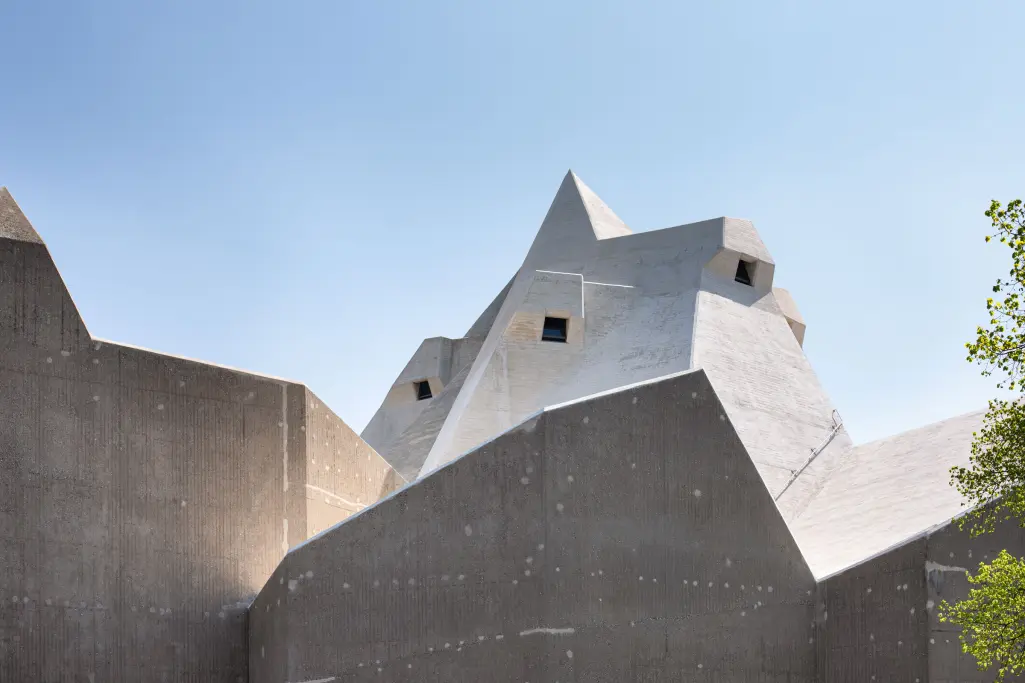
Im Neubau kommt das monolithische Modell zum Einsatz. Hierbei wird ein Bauteil vollständig aus nur einem Beton hergestellt.
Im Gegensatz dazu fußt die Sanierung/Betoninstandsetzung auf dem Mehrschichtmodell. Auf den vorbereiteten Betonuntergrund wird ein Betonersatzsystem aufgetragen. Dieses Mehrschichtsystem muss zusammen funktionieren und den Einwirkungen aus Umgebung sowie Untergrund dauerhaft standhalten. Es darf keine Inkompatibilität entstehen.
Im Betonersatz auftretende Spannungen müssen sicher in den Betonuntergrund eingeleitet werden.
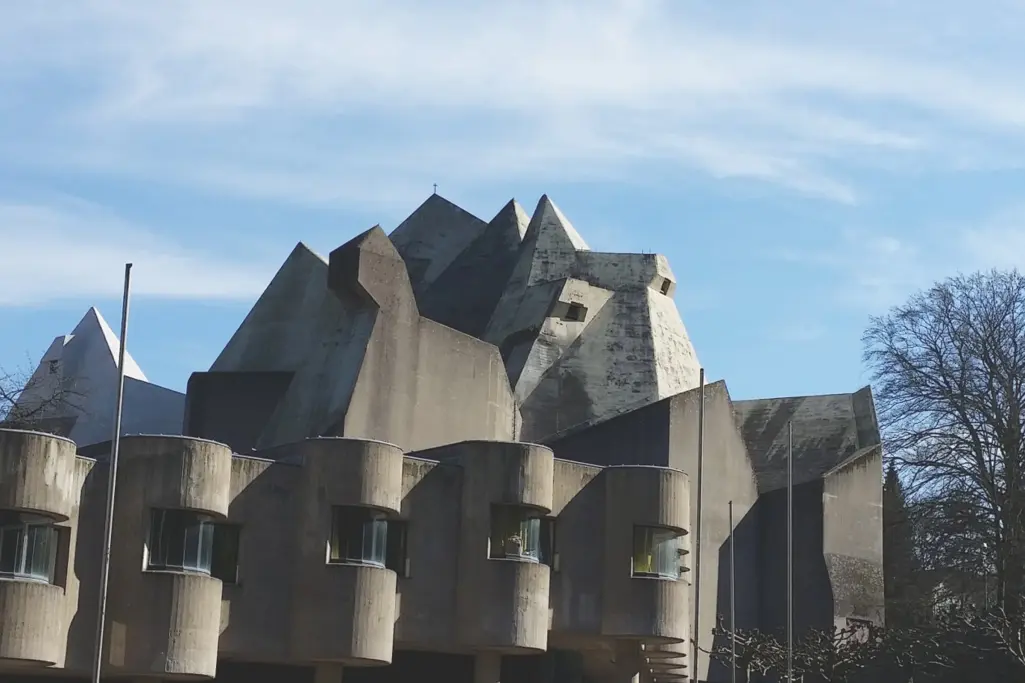
Bauaufsichtliche Anforderungen an den Brandschutz
Sicherheit im Brandfall vollumfänglich gewährleistet
Im Brandfall muss die Standsicherheit eines Bauwerks über eine vorgegebene Mindestdauer hinweg gewährleistet sein. Beim baulichen Brandschutz unterscheidet man zwischen dem Brandverhalten von Baustoffen und der Feuerwiderstandsdauer von Bauteilen.
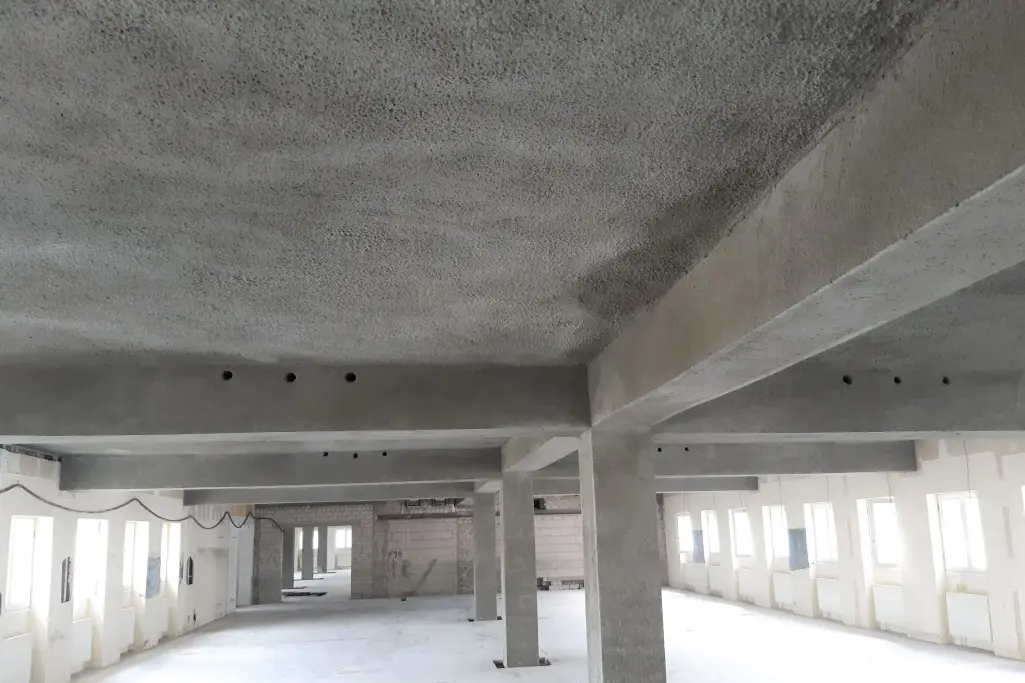
Anforderungen an den Brandschutz
Ziel des Brandschutzes ist der Schutz von Leben und Gesundheit sowie von Sachwerten.
- Baustoffklasse
- Hinsichtlich des Brandverhaltens kann die Klassifizierung von Baustoffen in Baustoffklassen nach DIN 4102-1 oder EN 13501-1 erfolgen.
- Beispiel
- Die „nichtbrennbaren Baustoffe“ sind nach DIN 4102-1 den Baustoffklassen A1 und A2 zugeordnet. Nach EN 13501-1 erfüllen die Klassen A1 und A2-s1, d0 die bauaufsichtliche Anforderung „nichtbrennbar“.
- Feuerwiderstandsklasse
- Die brandschutztechnische Klassifizierung von Bauteilen in Feuerwiderstandsklassen nach DIN 4102-2 und EN 13501-2 sind für den Nachweis der geforderten Feuerwiderstandsdauer eines Bauteils alternativ anwendbar.
- Beispiel
- Der bauaufsichtlichen Anforderung „feuerbeständig“ sind nach DIN 4102-2 die Feuerwiderstandsklasse F90 zugewiesen. Nach EN 13501-2 entspricht dies der Klasse R90 bei tragenden Bauteilen ohne Raumabschluss.
- Hinweis
- Es ist zu beachten, dass die Klassifizierungen nach DIN 4102 und EN 13501 nicht direkt aufeinander übertragbar sind.
- Brandkurve
- Der Nachweis der Feuerwiderstandsfähigkeit kann entsprechend unterschiedlicher Brandkurven erfolgen.
- Beispiel
- Die Einheits-Temperaturzeitkurve (ETK) bildet beispielsweise ein Brandszenario im Wohnungs- und Siedlungsbau ab.